
A Line in the Sand
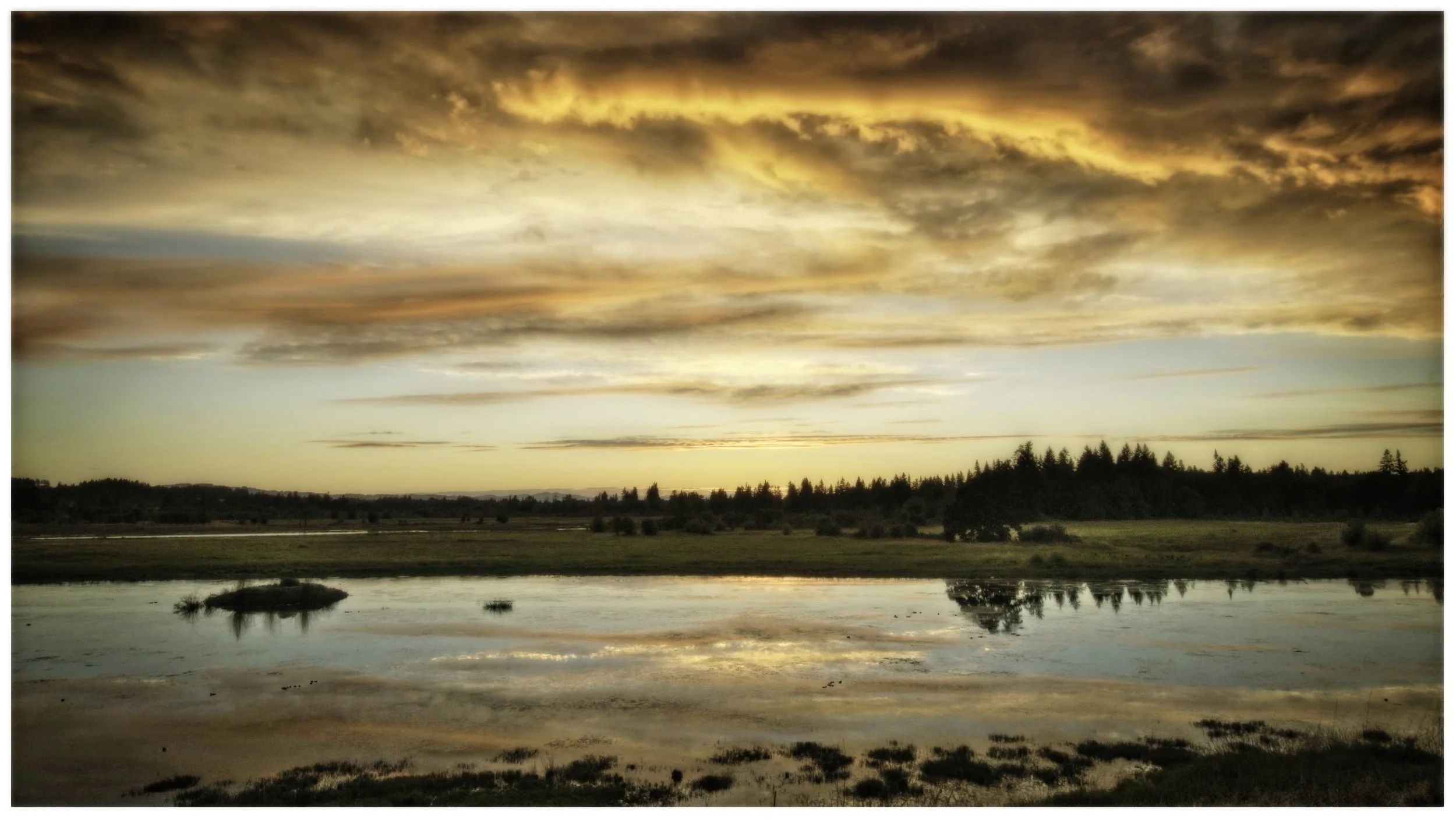
Photography has always carried an undercurrent of debate about authenticity. At some point in nearly every conversation, the question arises: where should the line be drawn? What counts as a real photograph? How much editing is acceptable? When does the process stop being photography and become something else?
Some photographers place that line at the moment the shutter closes. For them, the image captured in camera is the photograph, and any substantial alteration afterward moves the work away from the medium’s essential discipline. Their approach emphasizes anticipation, technical preparation, and patience. Exposure, composition, timing, and light are resolved before the shutter is pressed. The reward is a quiet satisfaction in knowing the final image emerged almost entirely from that moment.
At the other end of the spectrum are photographers who lean heavily on software. Modern editing tools—many now assisted by artificial intelligence—can transform an image quickly. Noise disappears, skies shift, objects vanish, and new elements can appear where none existed. For some, this is simply another stage of the creative process, where the camera provides raw material and the computer completes the image.
Between these poles lies a wide middle ground. It is where many photographers settle over time, and it is where I find myself.
I appreciate modern cameras that help me capture what I intend to see. Fast autofocus, burst shooting, and multiple-exposure modes expand what can be accomplished in the moment. Filters allow long exposures that soften water or blur motion. These tools feel less like shortcuts and more like extensions of the camera—ways to translate observation into an image.
Editing is part of that translation. I prefer to shape my images deliberately rather than rely on one-button solutions. Adjusting contrast, tone, and color helps bring the photograph closer to the visual impression that first caught my attention. Careful editing can strengthen an image without changing its essential character.
At the same time, I am comfortable using certain modern tools when they solve practical problems. AI-based noise reduction, for example, can recover detail in low-light images. Used with restraint, it improves clarity without altering what was actually present.
The line I draw is a simple one. I try not to create photographs of things that were never there. I do not add animals to landscapes or remove objects that were part of the scene. The image remains rooted in the moment I witnessed, even if editing refines how that moment is presented.
Occasionally, when the conversation becomes too rigid, I am tempted to respond with a bit of humor. If absolute purity is the goal, perhaps the next step is to build a camera from scratch—fashioned from paper clips, a scrap of felt, and an old milk carton. Every photographer relies on technology created by someone else, whether in the lens, the sensor, or the software. Drawing the line too strictly can overlook that photography has always been a collaboration between the photographer and the tools available at the time.
For me, photography works best when the camera remains the primary instrument of discovery and editing serves mainly to reveal what first caught my eye. The goal is not perfection in the moment or transformation afterward, but a balance between seeing, capturing, and refining.