Belonging
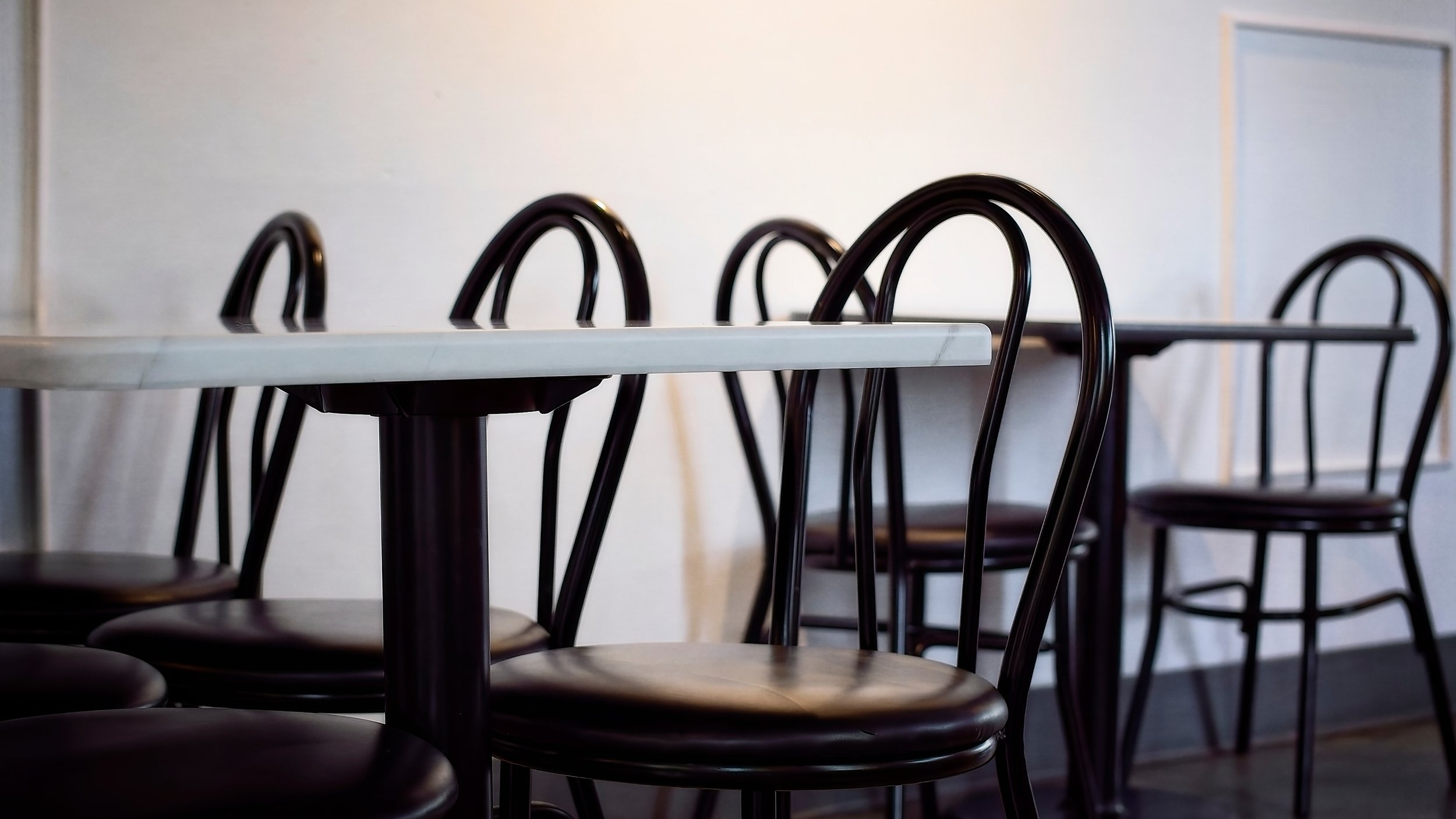
I stopped at a Mexican restaurant for a late lunch and settled into a quiet corner table. At first, I noticed a lot of voices coming from the bar area. I assumed it was a large work group gathering after lunch. Then the room erupted into cheering and applause. A few minutes later it happened again. Looking around, I realized the FIFA World Cup had begun.
For a brief moment, my attention shifted to the bar patrons. No doubt some were enjoying a few drinks while watching the matches. The thought crossed my mind that alcohol once made environments like this feel more comfortable and familiar. Instead, I felt something entirely different: gratitude. There was no temptation, no bargaining, and no sense of deprivation. I was simply thankful for my sobriety and the clarity that came with it.
As I continued eating my meal, another feeling emerged.
It was not irritation at the noise. It was not judgment of the people celebrating. Their excitement was real. Their enthusiasm was genuine. I simply did not share it. Sitting there alone, listening to the cheers and applause, I became aware of a familiar sense of being apart from whatever was happening around me.
I have never been much of a sports fan. I do not follow teams, track statistics, or organize my schedule around championships. The realization itself was not surprising. What caught my attention was the feeling that accompanied it. Hearing the celebration unfold, I found myself wondering why I so often feel separate from experiences that seem to bring other people together.
The question wasn't new. Beneath it was another question, one that has surfaced in different forms throughout my life:
Is there something wrong with me?
I do not ask that question often, but I suspect many people in recovery will recognize it. It appears unexpectedly in moments when we find ourselves out of step with the people around us. We notice others connecting through a shared enthusiasm, a common interest, or a group activity, and we become aware of our own distance from it. The mind quickly begins searching for explanations.
Fortunately, recovery has given me another tool besides alcohol. It has taught me to pay attention. Rather than push the feeling away, I sat with it, examined it, and became curious about it. The more I reflected, the more I realized this experience extends far beyond sports.
I have encountered it many times through Meetup groups and other social activities. I enjoy hiking with others and have developed friendships through those experiences. Many of the people I hike with also participate in dancing events, cycling groups, concerts, festivals, and community celebrations. I am often invited to join them, and I genuinely appreciate the invitations.
Yet I rarely feel drawn to those activities myself.
Large music venues have never held much appeal. Dancing reminds me of crowded clubs, loud music, alcohol, and the exhausting effort of trying to fit into an environment that never felt entirely natural to me. Community celebrations built around interests I do not share often produce the same reaction. I find myself participating at the edges, observing more than engaging.
What struck me as I sat in that restaurant is that these experiences have something in common. They all trigger the same subtle awareness that I am not responding to the situation the way many other people seem to be. For years, alcohol softened that awareness.
Like many people in recovery, I used alcohol as a social lubricant. It made conversations easier and reduced self-consciousness. Looking back, I think it also did something less obvious. Alcohol made it easier to overlook the gap between myself and the people around me. It blurred the distinction between genuine connection and simply being present in the same room. The feeling of being apart was still there, but I noticed it less.
Sobriety has changed that. One of the unexpected aspects of recovery is that awareness becomes sharper. Feelings that were once muted become easier to detect. Discomfort becomes more noticeable. Loneliness becomes more noticeable. The desire to fit in becomes more noticeable. In my case, I became increasingly aware of moments when my interests, values, and sources of enjoyment differed from those of the people around me.
For a time, I interpreted that awareness as evidence that something was wrong. If so many people enjoyed sports, concerts, festivals, dancing, and large celebrations, perhaps I should enjoy them too. If I did not, perhaps I was missing something important. Perhaps something was wrong with me.
Over time, however, another possibility emerged: perhaps I was not witnessing a failure to belong, but simply a difference.
The soccer fans belong in that celebration. The hikers heading to a dance event belong there. The cyclists gathering for a group ride belong there. Their enthusiasm is genuine, and I am glad they have found activities that bring them connection and enjoyment. The fact that I do not share those interests does not diminish their experience, nor does it diminish mine.
What I have gradually come to understand is that belonging does not require participation in every activity embraced by the group. I can share the trail without sharing the dance floor. I can enjoy a conversation without attending the concert afterward. I can appreciate another person’s excitement without making it my own.
As I finished my lunch, the cheering continued from the bar area. Nothing had changed. The crowd was still celebrating. I was still sitting quietly at a small table away from the revelers. The feeling of being apart was still present, and I noticed it just as clearly as before.
What had changed was my understanding of it.
I no longer see that feeling as proof that something is wrong with me. It is simply a reminder that I do not share every interest, activity, or passion of the people around me. I belong in some places and not others. I connect with certain experiences and not with others. That is not a failure. It is simply part of being an individual.
The longer I remain sober, the more comfortable I become with that reality. The crowd’s celebration did not need to become mine. The dance event did not need to become mine. The concert, the festival, and the bike ride did not need to become mine.
I am learning that belonging is not about becoming more like everyone else. It is about becoming more comfortable being myself. I do not need to share every enthusiasm, attend every event, or find meaning in every gathering. The fact that others feel connected through experiences that leave me unmoved does not make them right or me wrong. It simply makes us different.
As I left the restaurant, the answer to the question that surfaced over lunch seemed simpler now.
There is nothing wrong with me.
I am OK.