Recovery52 – Year 2 Anniversary – A Photo Project: Two Years On
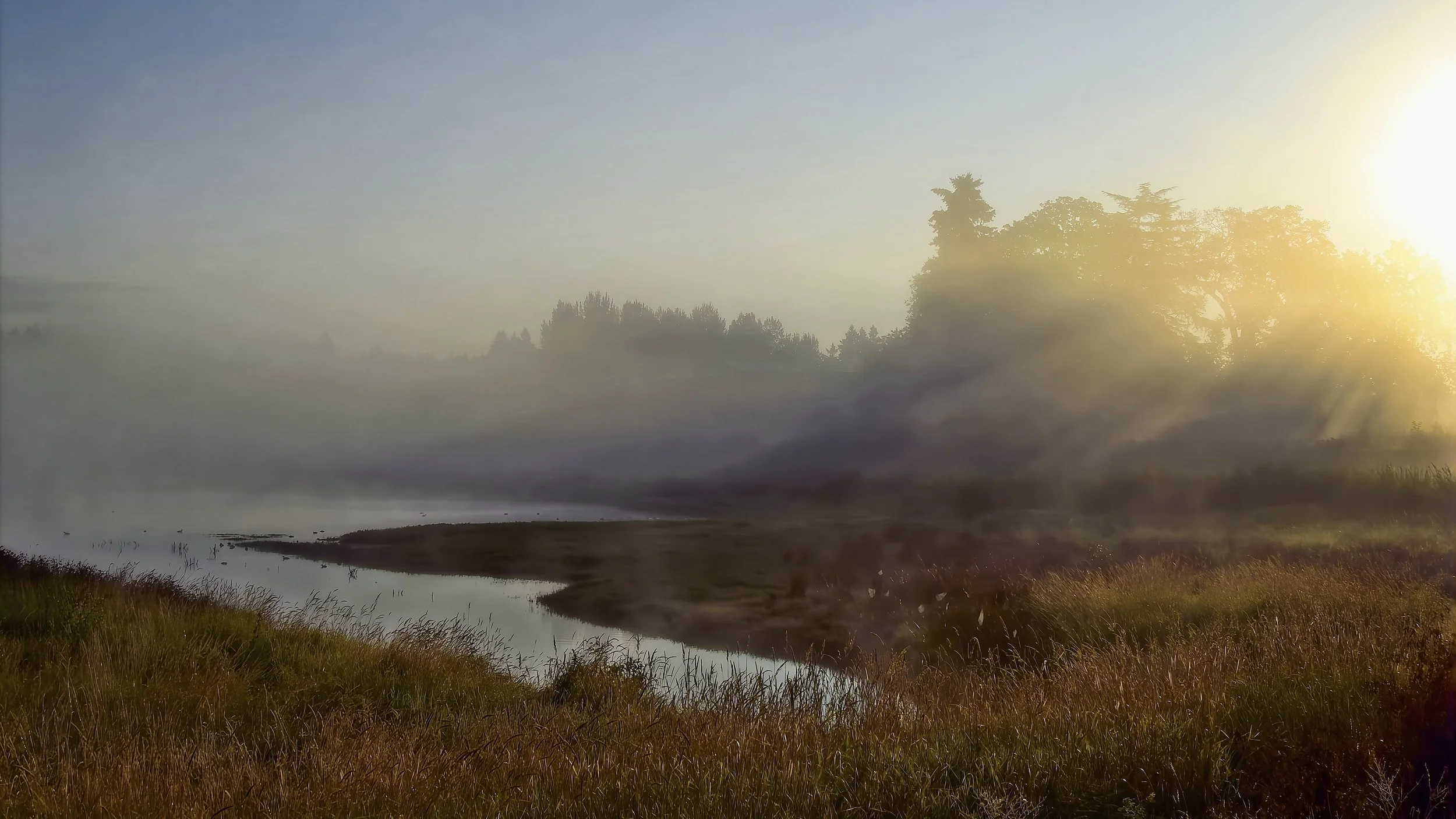
“Choosing sobriety opens the door to a journey of discovery: of self, purpose, and true freedom.”
Two years. It feels surreal to type those words, but here I am: two years sober. When I chose sobriety, I thought I was simply choosing to stop drinking. What I didn't realize was that I was opening the door to something much bigger—a journey of discovery: of self, purpose, and true freedom.
In the early days, the focus was on survival—making it through one day, one hour, one minute at a time. But as the days turned into weeks, and the weeks into months, I began to feel alive again. The fog lifted, and I started to see myself more clearly. For so long, I had used alcohol to dull the edges, to blur the parts of myself I didn’t want to confront. Sobriety forced me to face those parts head-on. It wasn’t easy. It was tough at times. But in doing so, I discovered resilience I didn’t know I had. I began to understand who I was, not through the distorted lens of alcohol, but as I truly am.
With that understanding came purpose. Recovery isn’t just about abstaining; it’s about creating. Without the distraction of alcohol, I had the time and mental clarity to ask myself: What do I want my life to stand for? What do I want to build? For me, that answer came in the form of creativity and connection. Whether it’s capturing a fleeting moment through my camera lens or writing reflections like this one, I’ve found outlets that bring me joy and fulfillment. More importantly, they allow me to share my journey and, hopefully, inspire others along the way.
And then there’s freedom. True freedom. Sobriety has given me something I could never find at the bottom of a glass: peace. No longer am I chained to the cycles of shame and regret. No longer do I wake up wondering what I said, what I did, or who I hurt. I am free to make choices that align with my values. Free to live with integrity. Free to dream big and chase those dreams with a clear head and an open heart.
A crucial truth I’ve learned is this: a person has to want sobriety for themselves. No one can make them get sober. The decision has to come from within, driven by their own desire to change and grow. Without that internal commitment, the journey cannot begin. That being said, I could not have done this without the compassion and support of family, friends, and loved ones.
Two years ago, I chose sobriety. Today, I celebrate everything that choice has given me. To anyone reading this who is on their own journey—whether you’re just beginning or well along the path—know this: choosing sobriety isn’t just choosing to stop. It’s choosing to start. To start discovering who you are, what you’re capable of, and the freedom that comes from living a life true to yourself. Here’s to the journey.
If my writings in this photography project can benefit someone in their recovery, I’m proud to have shared them.
Recovery52 – Week 52 – A Finish Line
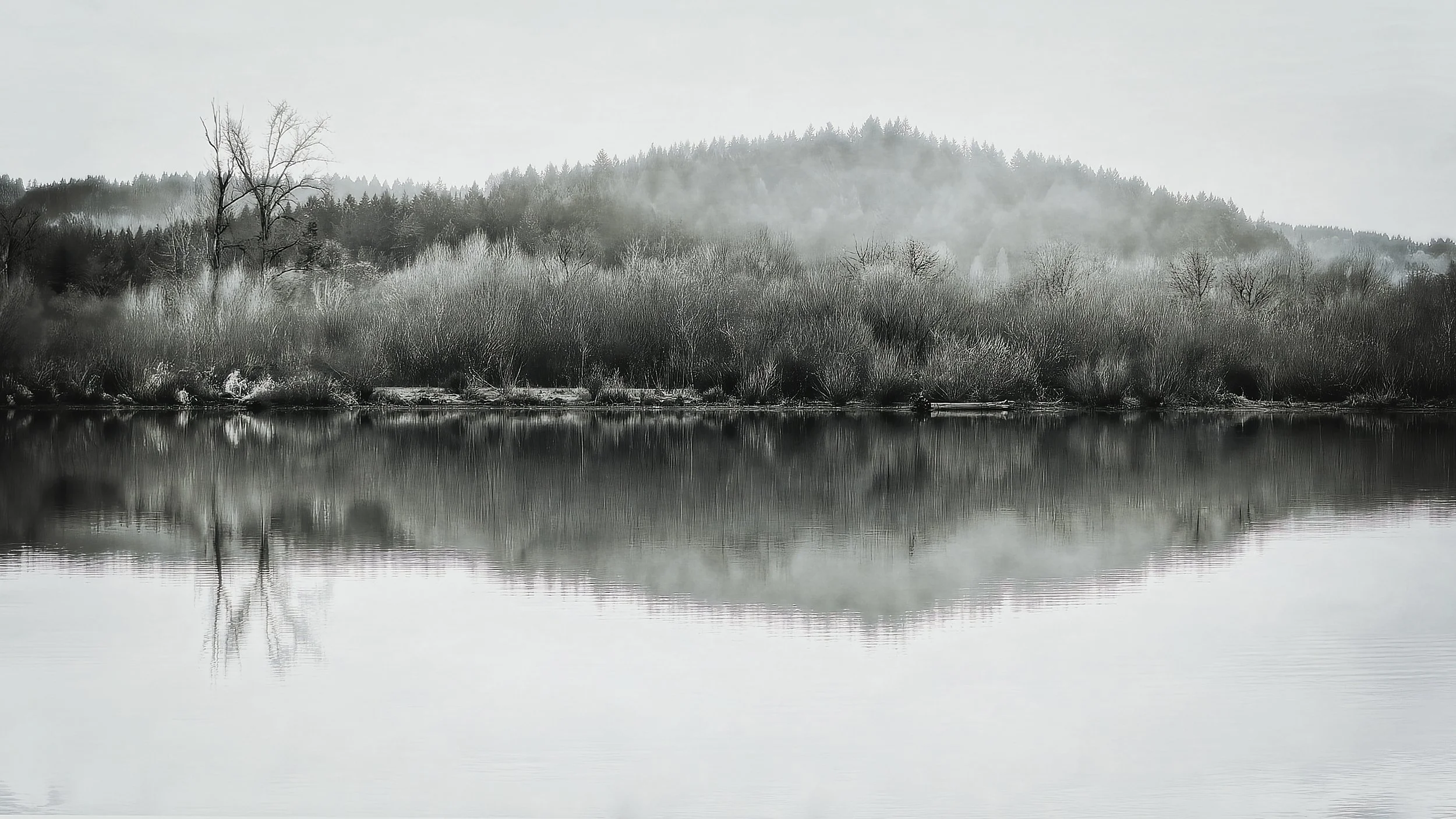
“It is during our darkest moments that we must focus to see the light.”
— Aristotle
My 52-week photography and recovery project is complete. I expected to write about the pride of reaching this milestone and the transition to a new photography project—topics I will return to shortly. But life had other plans, and recent events demanded attention first.
A projected winter storm arrived last Saturday morning. I shrugged off the warnings, thinking a couple of “snow days” might be relaxing—an excuse to slow down. The snow came, and at 11:49 a.m., the power went out. At first, it felt almost playful. I pulled out my flashlight and headlamp, bundled up, and let the child-like excitement settle in.
But the outage didn’t last a few hours—it lasted nearly five full days.
In the early days, I managed with humor: making coffee and meals on my camp stove, layering up, doubling blankets, and keeping my phone alive with a battery bank. I checked outage updates, stayed connected with friends, and tried to make the best of it.
By day three, the novelty wore off. The cold felt deeper. The isolation heavier. Thankfully, I could visit my local gym to shower and charge my devices. But the dark and silence began affecting my mood. My sleep was poor, and I couldn’t use my CPAP. Early on day four, I felt depression settling in—not just sadness, but that familiar heavy pull that once led me toward escape.
On the fourth morning, sitting with a hot coffee inside my local grocery store, I watched people buying essentials—along with plenty of beer and wine. And I heard the old voice, faint but persistent:
“You could drink if you wanted to.”
Not this time.
I remembered a winter storm in February 2021, when I roamed icy streets and returned home with a box of wine each time—grateful no one was around to see. I drank to numb. I drank to disappear. It’s a wonder I didn’t freeze.
This time, I reminded myself why I started recovery: the harm, the pain, the self-destruction. And then I reminded myself of everything I’ve achieved since. Drawing on both negative motivation and positive momentum, I came home and endured another cold, dark night—but with pride and strength.
Power returned just short of the five-day mark. Relief washed over me. Then came the cleanup: dishes, laundry, sorting out spoiled food. And just as things stabilized, frozen pipes thawed, flooding several apartments. Mine stayed dry, but the water was shut off for another seven days for repair.
Nearly two weeks without basic comforts—and I stayed sober and steady through all of it.
Now, circling back to where I hoped to begin: I’m considering a shift in my photographic efforts to a new 52-week project centered on creativity and seeing creatively. I want to expand my identity beyond recovery and reconnect more fully with the creative community. I want to enjoy life with purpose, goals, and connection outside the context of addiction.
But I will remain active with friends and groups in recovery. I’ll keep the Recovery52 blog alive and post whenever inspiration arises. And I will stay humble—aware that the old voice may return, and committed to answering it with clarity, strength, and truth.
If my reflections have supported anyone else along the way, I’m grateful. My recovery continues forward—steady, mindful, and intentional, moving with purpose into whatever comes next.
Recovery52 – Week 51 – IntentRecovery52 – Week 51 – Intent
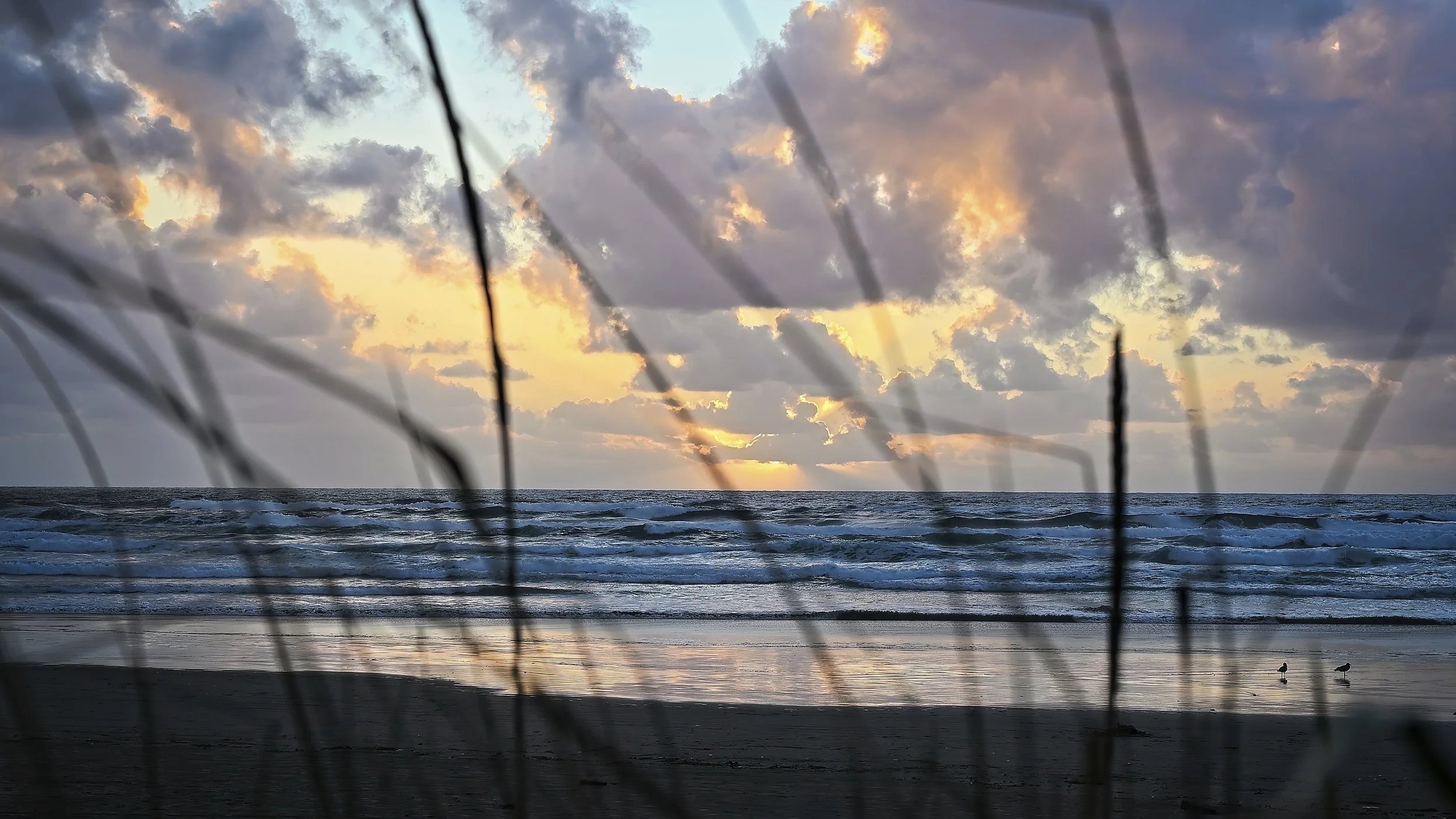
“Always stay humble and kind.”
— Tim McGraw
In the fall of 2022, I experienced a series of relapses with alcohol. In mid-December, a close friend shared an observation that hit me hard: I had no plan and no goals. She asked what I wanted in life. I had no answer—no rebuttal, no excuses. Her question left me shaken, but at the time I wasn’t ready to face it or do the deeper work required.
I stumbled again just before the end of the year—a hard lapse, a blackout binge. On January 1st of 2023, I woke up miserable, hungover, ashamed, and exhausted by the pattern I kept repeating. That relapse didn’t help me answer what I wanted in life. Instead, as I sobered up, a much clearer question surfaced: “What do I not want in life?”
The answer was immediate: I didn’t want to continue being who I had been. I didn’t want a life drained by drinking. I didn’t want to keep hurting myself and others. I didn’t want to keep wasting time, energy, or meaning. Something had to end—and something had to begin.
I’ve had stretches of sobriety before, some longer than a year, but those were stretches of abstinence, not recovery. Removing alcohol brought short-term improvement, yes, but I didn’t engage deeply with self-awareness. I didn’t examine the roots of my drinking. I didn’t explore my adverse childhood experiences or challenge the longstanding fears and beliefs connected to them. I was simply the same old me—just without the alcohol.
Throughout this project, I’ve written about developing healthy routines—mindfulness, journaling, movement—and about finding motivation not just to stay sober but to truly recover. I no longer want numbness. I no longer want escape. I no longer want the false comfort alcohol once provided. I’ve moved beyond cravings and urges. I’ve made changes in thinking and behavior that give me pride, confidence, and excitement about the path ahead.
There are four key differences in this recovery effort:
· The questions asked by my friend—“Who do I want to be? What do I want to become?”—became foundational. I want to grow into someone humble and kind.
· This time, I made my commitment to recovery known. I’ve been open with others instead of attempting sobriety in silence. Making the promise public keeps me accountable and highlights the importance of relationships.
· I worked consistently with a therapist for several months and was fully honest throughout the process.
· This photography project has kept me committed week after week. Accountability, creative expression, self-analysis, learning, and reflection have supported my recovery in ways I could not have predicted.
I’m not “recovered.” I still slip into negative thinking. I still procrastinate or distract myself when I don’t want to face responsibilities. I still struggle with trust—trust in myself and trust in others. I know there is more work ahead. But this time, I truly believe I can stay the course. I can grow forward. I can live with intent—being humble and kind.
(Next week will be the final post of this project. I may continue to write occasionally, but I will also shift attention toward a new photography project not centered on recovery.)
Recovery52 – Week 48 – Praise & Apologies
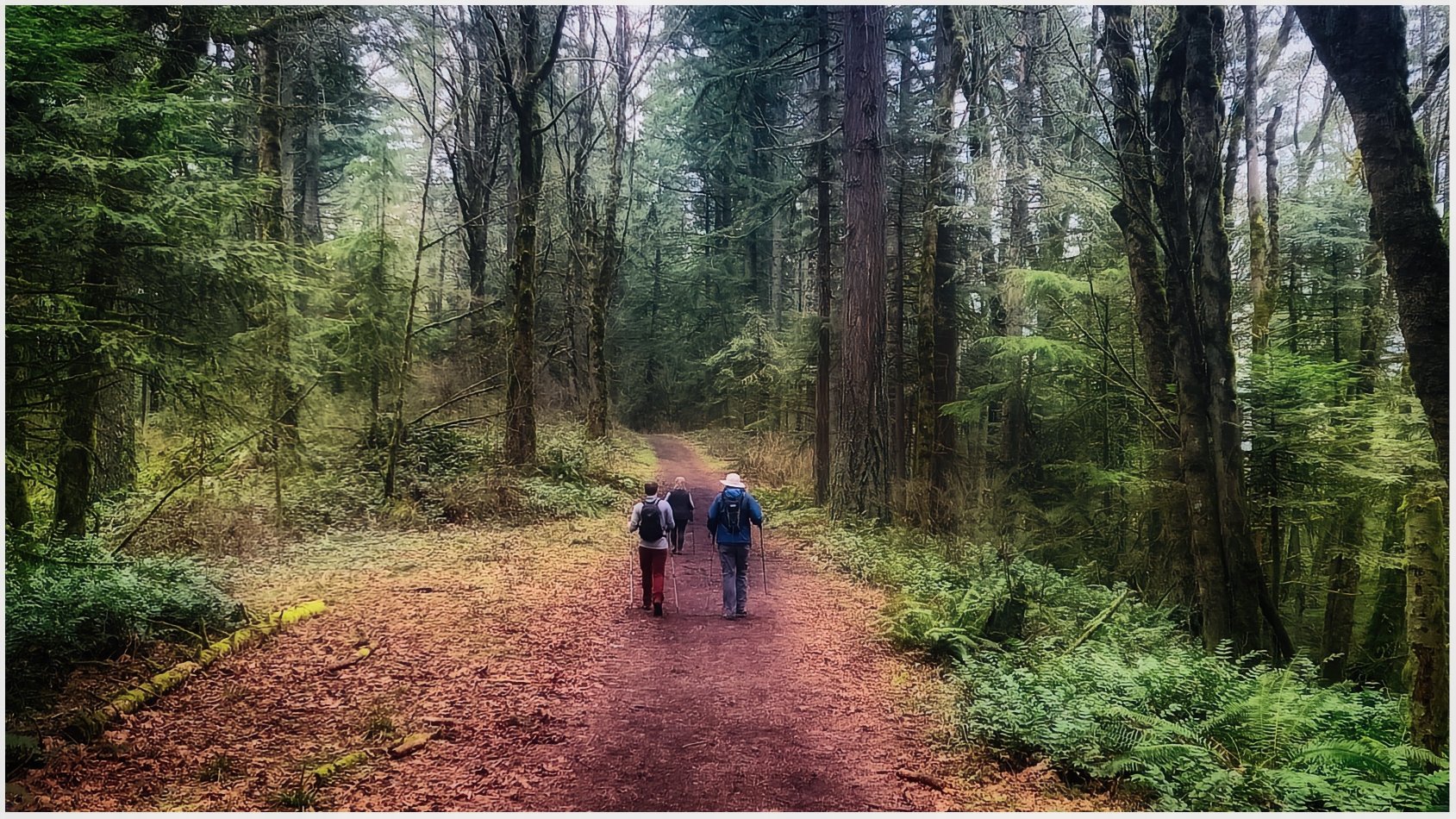
“Apologies aren’t meant to change the past, they are meant to change the future.”
— Kevin Hancock
Early in this project, while talking with a close friend about the emotional and physical traumas of my childhood, I shared a vow I made long before I had the words for it: I would never hit a woman or harm a child. Given what I had witnessed and endured, this vow felt like a core promise—a line I would never cross.
He responded with something that stayed with me: “You broke the cycle. You didn’t repeat the pattern.”
He was right. I take genuine pride in that. I am proud of the vow I made, and proud that I lived by it. But there is another side to the story. My adverse childhood experiences—and the vow not to become what I witnessed—pushed the pendulum in the opposite direction. In trying to protect the feelings of others, I avoided honesty when honesty was needed. To avoid emotional discomfort in myself, I numbed, hid, and shut down. And by doing so, I caused harm—not through violence, but through absence, dishonesty, withdrawal, and emotional unavailability.
My emotional immaturity and my habit of retreating from difficult feelings kept me from being fully present as a father, partner, and friend. My worldview often became cynical, dark, and closed. I put distance between myself and the people who cared about me, missing opportunities for connection, growth, and possibility.
So here I am now, recognizing that apologies are not just appropriate—they are necessary. I offer apologies to anyone who suffered as a result of my choices: missed commitments, poor decisions, emotional distance, and the failures in sobriety that pulled others into my struggles. My apologies extend to everyone affected by my addiction and avoidance. (For some, this echoes the spirit of Step Five in AA.)
But those closest to me—the ones who stood by me through the worst of it—deserve more than a written acknowledgment. They deserve my presence. They deserve sincerity. They deserve real, face-to-face apologies. These apologies cannot change the past, but they can help create a better future. I don’t expect forgiveness, but I am finally learning to forgive myself.
I opened this post by accepting praise for breaking a generational pattern. I want to close with acknowledgment of something else: I am proud of my recovery. I am proud of breaking the cycle. And I am proud of not repeating the patterns of lapse and relapse. In less than two weeks, I will reach a full year—not just of sobriety, but of genuine, transformative recovery. And I intend to keep moving forward.