Recovery52 – Week 51 – IntentRecovery52 – Week 51 – Intent
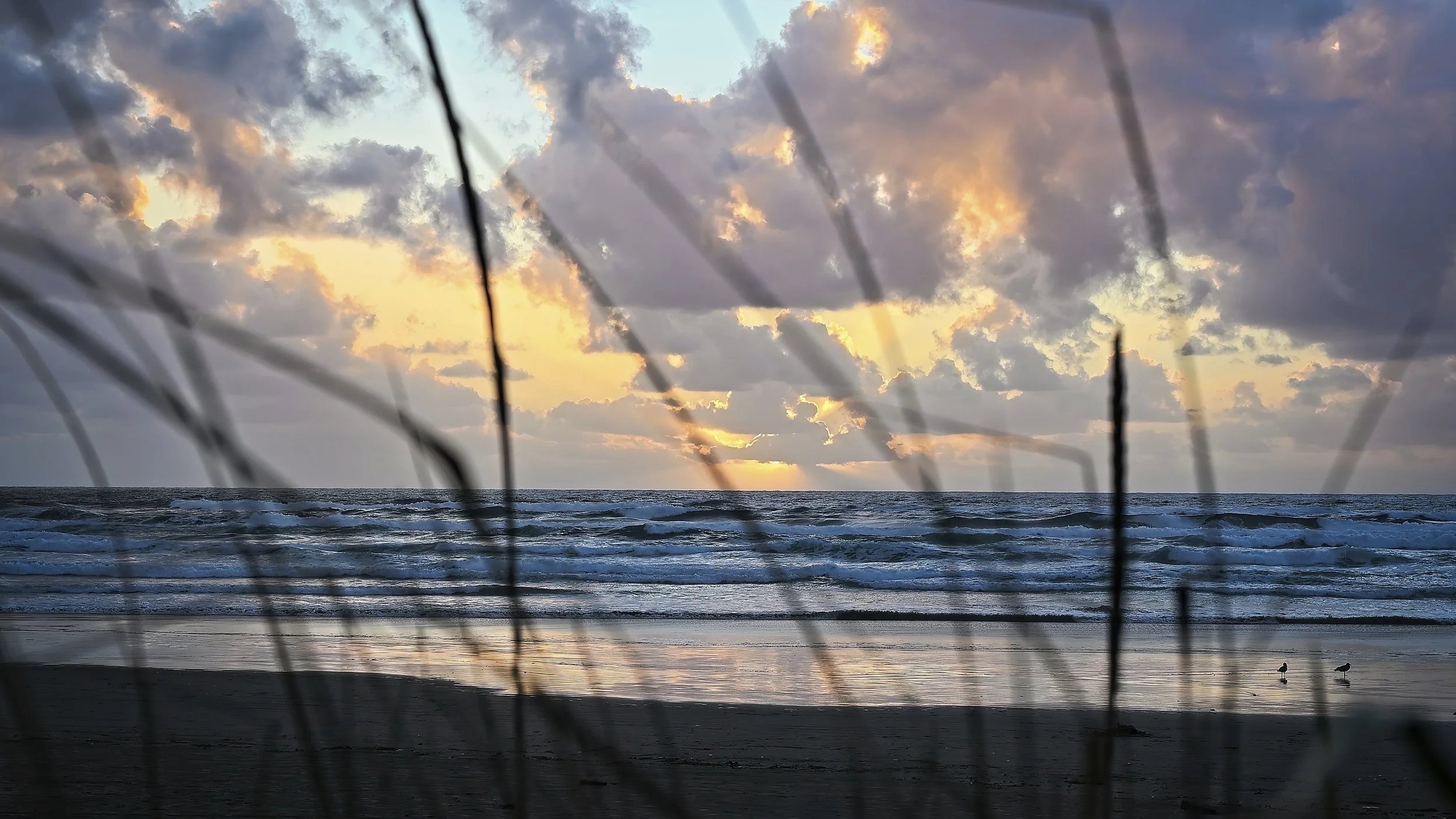
“Always stay humble and kind.”
— Tim McGraw
In the fall of 2022, I experienced a series of relapses with alcohol. In mid-December, a close friend shared an observation that hit me hard: I had no plan and no goals. She asked what I wanted in life. I had no answer—no rebuttal, no excuses. Her question left me shaken, but at the time I wasn’t ready to face it or do the deeper work required.
I stumbled again just before the end of the year—a hard lapse, a blackout binge. On January 1st of 2023, I woke up miserable, hungover, ashamed, and exhausted by the pattern I kept repeating. That relapse didn’t help me answer what I wanted in life. Instead, as I sobered up, a much clearer question surfaced: “What do I not want in life?”
The answer was immediate: I didn’t want to continue being who I had been. I didn’t want a life drained by drinking. I didn’t want to keep hurting myself and others. I didn’t want to keep wasting time, energy, or meaning. Something had to end—and something had to begin.
I’ve had stretches of sobriety before, some longer than a year, but those were stretches of abstinence, not recovery. Removing alcohol brought short-term improvement, yes, but I didn’t engage deeply with self-awareness. I didn’t examine the roots of my drinking. I didn’t explore my adverse childhood experiences or challenge the longstanding fears and beliefs connected to them. I was simply the same old me—just without the alcohol.
Throughout this project, I’ve written about developing healthy routines—mindfulness, journaling, movement—and about finding motivation not just to stay sober but to truly recover. I no longer want numbness. I no longer want escape. I no longer want the false comfort alcohol once provided. I’ve moved beyond cravings and urges. I’ve made changes in thinking and behavior that give me pride, confidence, and excitement about the path ahead.
There are four key differences in this recovery effort:
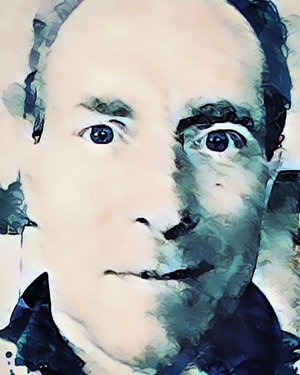
· The questions asked by my friend—“Who do I want to be? What do I want to become?”—became foundational. I want to grow into someone humble and kind.
· This time, I made my commitment to recovery known. I’ve been open with others instead of attempting sobriety in silence. Making the promise public keeps me accountable and highlights the importance of relationships.
· I worked consistently with a therapist for several months and was fully honest throughout the process.
· This photography project has kept me committed week after week. Accountability, creative expression, self-analysis, learning, and reflection have supported my recovery in ways I could not have predicted.
I’m not “recovered.” I still slip into negative thinking. I still procrastinate or distract myself when I don’t want to face responsibilities. I still struggle with trust—trust in myself and trust in others. I know there is more work ahead. But this time, I truly believe I can stay the course. I can grow forward. I can live with intent—being humble and kind.
(Next week will be the final post of this project. I may continue to write occasionally, but I will also shift attention toward a new photography project not centered on recovery.)