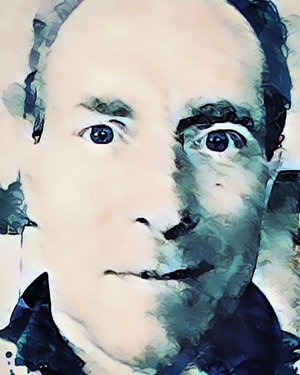
Recovery52 – Week 43 – Pick Up The Shovel

“If one is estranged from oneself, then one is estranged from others too. If one is out of touch with oneself, then one cannot touch others.”
— Anne Morrow Lindbergh
In preparing to write this week’s post—and following last week’s intention to dig deeper into the roots of my substance abuse and long-standing patterns—I reread every post I’ve written so far. I’m proud of the progress I’ve made: the sobriety I’ve held, the growth I’ve earned, and the consistency of this photography project.
But rereading also made something unmistakably clear: I’ve been staying safe.
I’ve written about meaningful topics, but often in ways that circle the edges rather than dive into the center. Each week I’ve hinted that deeper work is needed, but I’ve also kept my distance from the very places that need exploring. I’ve mentioned fear, trust issues, and old wounds many times, but I haven’t truly confronted them. It’s as if I’ve been writing from the doorway—looking inward without stepping inside.
A fear of facing fear itself. Phobophobia, maybe.
I recently finished a recovery book that described four major risk factors for addiction: Genetic, Developmental, Environmental, and Creative Nature. I align with all four. While I’ve resisted the idea that I need to relive my past to move forward, I also recognize that early experiences shaped my beliefs, reactions, and emotional defenses. These long-standing patterns—fear, shame, distrust, self-protection—still influence my life today. I’m tired of their grip. I want better for myself and for the people close to me.
So how do I move forward?
I’m choosing to explore these patterns through the lens of Attachment Theory. Attachment Theory examines how early bonds with caregivers shape our emotional and relational patterns throughout life. Without claiming expertise, the model resonates with what I experienced growing up. Given my history, it’s not surprising that I lean toward a Fearful-Avoidant attachment style—wanting closeness, yet fearing it; desiring connection, yet withdrawing emotionally when things feel uncertain.
Afraid to feel.
Afraid to trust.
Afraid to love.
That’s not the life I want anymore. I’m not looking to blame people who were hurting in their own ways, nor to stay anchored in victimhood. I have autonomy now. I have agency. And I have people who care about me, if I choose to allow that care in.
As a next step, I plan to use the SMART Recovery ABC problem-solving framework to address specific fears and traumas—a tool that has already helped me work through challenges in Posts 38, 39, and 40. A structured approach may help me unpack the beliefs and emotional reactions that still have power over me.
This week isn’t about tackling one specific fear. It’s about laying the groundwork for the deeper work ahead. These are some of the questions I’m ready to explore:
Why do I lie, even the small “white” ones? What fear sits underneath the avoidance of full honesty?
Why does my mind default to “Why I can’t” instead of “Why can’t I?” when opportunities arise?
I’m intensely triggered by violent crime and cruelty. I believe some people choose evil and deserve punishment. Is it wrong to want retributive justice?
When I’m confronted with anger or threat, I freeze or flee. Why? And how do I change this?
These questions form the shovel I intend to pick up. It’s time to dig.