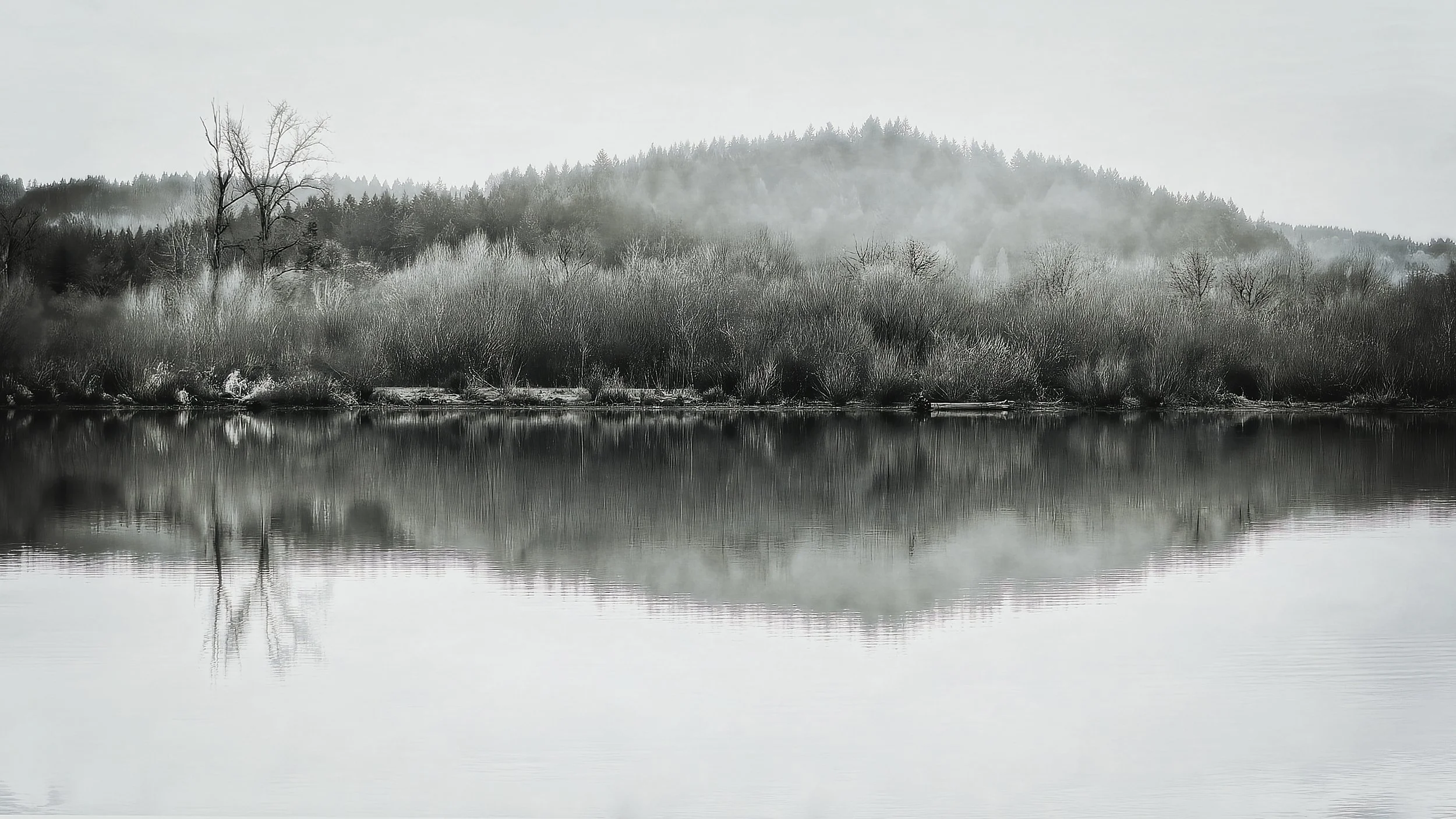
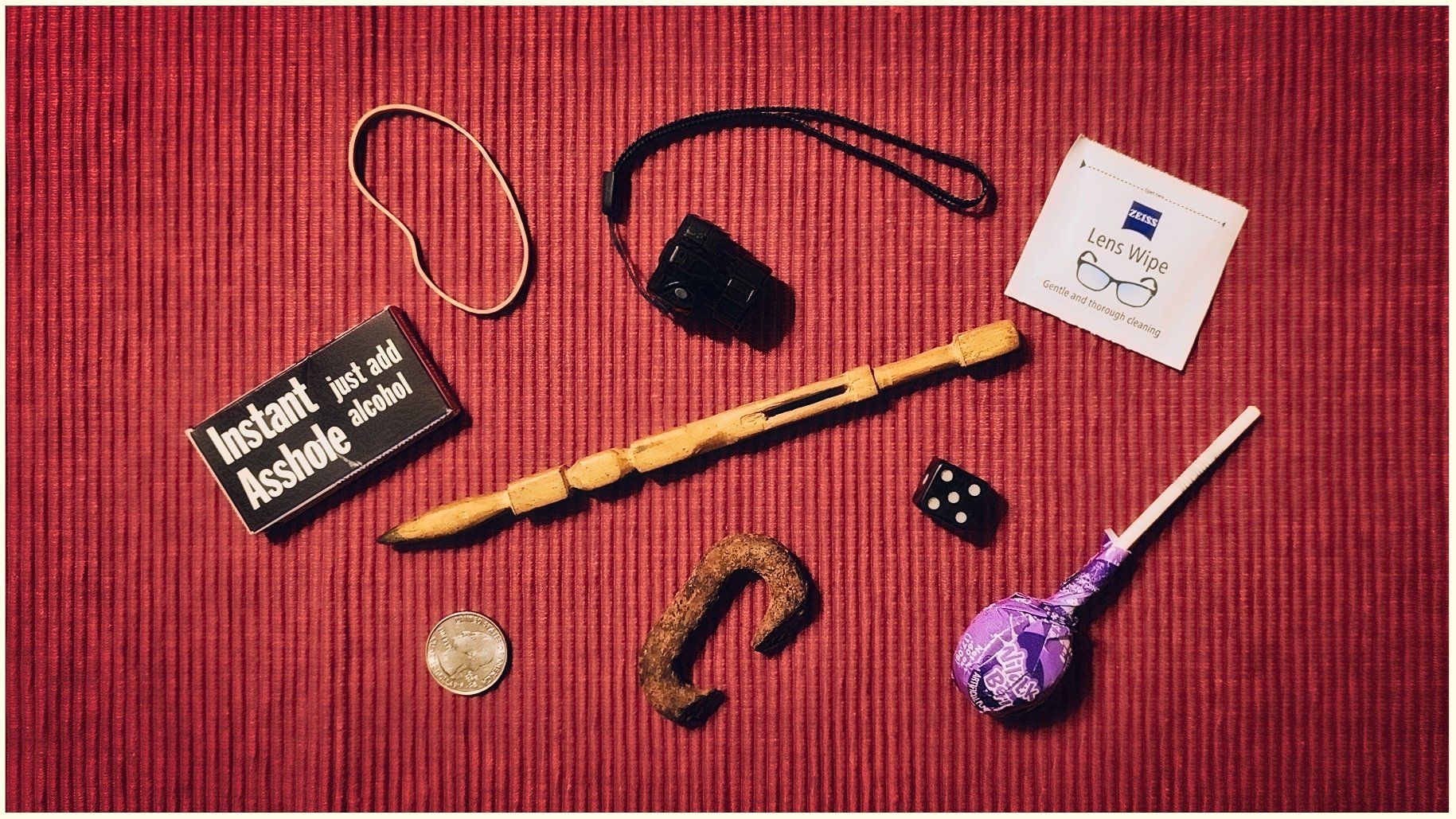
Chasing Approval, Finding Alignment

I’ve had some recent conversations with people from my past. Nothing heavy or confrontational. Just reconnecting. In those moments, I became more aware of how I had shown up before—where I caused harm, where I avoided responsibility, where I didn’t see clearly.
It wasn’t painful in the way it might have been years ago. It was honest recognition. A willingness to accept that those parts of my history are mine, without reframing or defending them. Without expecting forgiveness.
That awareness carried into this morning, where a simple thought came into focus.
For much of my life, I was chasing approval.
It showed up in familiar ways. I would make a self-deprecating comment and wait for someone to contradict it. I would put something out there that invited reassurance. And even when someone responded with something supportive, I didn’t really take it in. I questioned it or brushed it aside.
Looking back, I can see that I wasn’t searching for truth. I was looking for validation, and I didn’t trust it even when I received it. That pattern kept me looking outward, dependent on responses that were inconsistent and never fully satisfying.
Sobriety changed the direction of that search.
Not all at once, but through a gradual process of seeing more clearly. As I stepped away from alcohol, I also stepped closer to myself. With that came a different kind of awareness—less distortion, fewer excuses, and a clearer understanding of my actions and their impact. The focus shifted from how I was perceived to whether I was being honest.
That shift brought a change in perspective: I now seek alignment.
Instead of asking others to validate that I’m okay, I now ask whether I’m living in a way I can stand behind. That question doesn’t depend on timing, attention, or response. It depends on clarity and a willingness to see myself as I am.
Some of these reflections found their way into a small book I put together for friends and family, more as a way of documenting that first year than anything else. It serves as a reminder of what I was learning, and what I needed to see.
I had considered saving this for a birthday post, tying it to a milestone. That didn’t feel necessary. The awareness is here now, and it feels right to write it while it’s still fresh and clear.
I’m no longer chasing approval—I’m learning to live in alignment with what I know to be true, accepting who I am.
Recovery52 – Year 2 Anniversary – A Photo Project: Two Years On

“Choosing sobriety opens the door to a journey of discovery: of self, purpose, and true freedom.”
Two years. It feels surreal to type those words, but here I am: two years sober. When I chose sobriety, I thought I was simply choosing to stop drinking. What I didn't realize was that I was opening the door to something much bigger—a journey of discovery: of self, purpose, and true freedom.
In the early days, the focus was on survival—making it through one day, one hour, one minute at a time. But as the days turned into weeks, and the weeks into months, I began to feel alive again. The fog lifted, and I started to see myself more clearly. For so long, I had used alcohol to dull the edges, to blur the parts of myself I didn’t want to confront. Sobriety forced me to face those parts head-on. It wasn’t easy. It was tough at times. But in doing so, I discovered resilience I didn’t know I had. I began to understand who I was, not through the distorted lens of alcohol, but as I truly am.
With that understanding came purpose. Recovery isn’t just about abstaining; it’s about creating. Without the distraction of alcohol, I had the time and mental clarity to ask myself: What do I want my life to stand for? What do I want to build? For me, that answer came in the form of creativity and connection. Whether it’s capturing a fleeting moment through my camera lens or writing reflections like this one, I’ve found outlets that bring me joy and fulfillment. More importantly, they allow me to share my journey and, hopefully, inspire others along the way.
And then there’s freedom. True freedom. Sobriety has given me something I could never find at the bottom of a glass: peace. No longer am I chained to the cycles of shame and regret. No longer do I wake up wondering what I said, what I did, or who I hurt. I am free to make choices that align with my values. Free to live with integrity. Free to dream big and chase those dreams with a clear head and an open heart.
A crucial truth I’ve learned is this: a person has to want sobriety for themselves. No one can make them get sober. The decision has to come from within, driven by their own desire to change and grow. Without that internal commitment, the journey cannot begin. That being said, I could not have done this without the compassion and support of family, friends, and loved ones.
Two years ago, I chose sobriety. Today, I celebrate everything that choice has given me. To anyone reading this who is on their own journey—whether you’re just beginning or well along the path—know this: choosing sobriety isn’t just choosing to stop. It’s choosing to start. To start discovering who you are, what you’re capable of, and the freedom that comes from living a life true to yourself. Here’s to the journey.
If my writings in this photography project can benefit someone in their recovery, I’m proud to have shared them.
Recovery52 – Week 48 – Praise & Apologies
“Apologies aren’t meant to change the past, they are meant to change the future.”
— Kevin Hancock
Early in this project, while talking with a close friend about the emotional and physical traumas of my childhood, I shared a vow I made long before I had the words for it: I would never hit a woman or harm a child. Given what I had witnessed and endured, this vow felt like a core promise—a line I would never cross.
He responded with something that stayed with me: “You broke the cycle. You didn’t repeat the pattern.”
He was right. I take genuine pride in that. I am proud of the vow I made, and proud that I lived by it. But there is another side to the story. My adverse childhood experiences—and the vow not to become what I witnessed—pushed the pendulum in the opposite direction. In trying to protect the feelings of others, I avoided honesty when honesty was needed. To avoid emotional discomfort in myself, I numbed, hid, and shut down. And by doing so, I caused harm—not through violence, but through absence, dishonesty, withdrawal, and emotional unavailability.
My emotional immaturity and my habit of retreating from difficult feelings kept me from being fully present as a father, partner, and friend. My worldview often became cynical, dark, and closed. I put distance between myself and the people who cared about me, missing opportunities for connection, growth, and possibility.
So here I am now, recognizing that apologies are not just appropriate—they are necessary. I offer apologies to anyone who suffered as a result of my choices: missed commitments, poor decisions, emotional distance, and the failures in sobriety that pulled others into my struggles. My apologies extend to everyone affected by my addiction and avoidance. (For some, this echoes the spirit of Step Five in AA.)
But those closest to me—the ones who stood by me through the worst of it—deserve more than a written acknowledgment. They deserve my presence. They deserve sincerity. They deserve real, face-to-face apologies. These apologies cannot change the past, but they can help create a better future. I don’t expect forgiveness, but I am finally learning to forgive myself.
I opened this post by accepting praise for breaking a generational pattern. I want to close with acknowledgment of something else: I am proud of my recovery. I am proud of breaking the cycle. And I am proud of not repeating the patterns of lapse and relapse. In less than two weeks, I will reach a full year—not just of sobriety, but of genuine, transformative recovery. And I intend to keep moving forward.
Recovery52 – Week 46 – Seeking Truth

“All too often we’re filled with negative and limiting beliefs. We’re filled with doubt. We’re filled with guilt or with a sense of unworthiness. We have a lot of assumptions about the way the world is that are actually wrong.”
— Jack Canfield
In last week’s post, I committed to staying mindful when negative and limiting beliefs surface—to pause, reflect, identify their source, and question their truth and usefulness. My intention was, and still is, to challenge the beliefs that continue to influence me today.
On Saturday, I went for a walk at a local nature park. The sky was dark with threatening rain, and I hoped to capture a few photographs while also giving attention to my internal landscape. The photography went well. But as I walked, my inner world began to mirror the sky—darkening with memories of events that have shaped my perceptions and behaviors throughout my life.
In a prior post, I described several early childhood traumas that contributed to my fear-based responses—reactions that pushed me toward substance use when pain or confrontation felt overwhelming. Here are a few more formative events that reinforced rigid, black-and-white beliefs:
· As a young boy experiencing partial blindness and debilitating headaches, I traveled with my mom by bus to the city for a medical procedure. In the restroom at the bus station, a grizzled man approached me from behind, mumbling, and tried to push his hands down the front of my waistband. I froze, pushed him away, and he left when another person entered. I told no one. I felt shame, guilt, and a lingering fear that somehow I was to blame.
· In my sophomore year of high school, our English class read Truman Capote’s In Cold Blood and watched the film adaptation. Around the same time, we were assigned to write a news-style article, and I chose a local story about two teenage girls who had been murdered and left on a forest road. Immersing myself in those horrific accounts shaped my beliefs about justice and punishment, fueling a desire for swift, harsh consequences for “bad” men.
· September 11, 2001, was another turning point. The horror of the attacks and the extremism behind them shook me. Until then, I had paid little attention to world events. Suddenly, I wanted revenge. I became hyper-vigilant about news and politics, looking everywhere for confirmation of my outrage. I was swept up in online arguments, consumed by anger, and drinking heavily during that era.
That’s enough examples for now. These experiences shaped my worldview and contributed to my urge to numb, escape, and resist feeling difficult emotions. I can’t change any of them. But I can learn from them and commit to a better way forward.
My beliefs have deep roots. Simply recognizing their origins doesn’t transform them. I need to question whether my automatic responses and underlying assumptions serve me—or distort how I see the world, other people, and myself. To support this work, I’ve begun studying critical thinking. I hope it will help me identify and challenge the cognitive biases that darken my perception and keep old narratives alive.
I’ll close with an audiobook I’m currently listening to, one I expect will be helpful in this effort:
Critical Thinking: What You Should Have Been Taught About Decision-Making, Problem-Solving, Cognitive Biases, Logical Fallacies, and Winning Arguments — Jerrel Forman
Recovery52 – Week 45 – Challenging Limiting Beliefs

“One of the hardest expressions of self-assertiveness is challenging your limiting beliefs.”
— Nathaniel Branden
Last week, I shared several early Adverse Childhood Experiences that shaped my core fears and beliefs. Since then, without adding anything new to the list, I’ve been reflecting on how those early experiences—and others throughout my life—have influenced my growth, my behavior, and my relationships.
Those early maltreatments instilled beliefs that taught me to avoid situations requiring self-protection. I learned to assume I wasn’t strong enough, that others would hurt me, and that freezing or fleeing were the only options when I felt threatened.
My insecurities and anxieties nudged me toward “safe” paths, avoiding opportunities that might expose my vulnerabilities, weaknesses, or fears. I remember being bullied in school and hiding in the library during lunch. My fearful demeanor made me an easy target, reinforcing those beliefs and deepening my shame.
For years, I resisted support from others and turned down opportunities for growth that felt unsafe. My relationships suffered because I withheld honest opinions, downplayed my needs, or avoided difficult conversations—even with people closest to me. If someone seemed angry, I assumed I must be at fault.
Having witnessed spousal and child abuse, I internalized a strong belief that I must never cause pain to a woman or child. This led me at times to lie in the name of protection—“white lies” intended to spare feelings. But lies only delay the truth; they never erase it.
As for substance abuse, the pattern is clearer now. I used alcohol to escape fear, pain, and shame—to numb what felt too heavy to face. Recovery has brought meaningful change: greater self-awareness, healthier habits, and renewed confidence. But the deeper work continues, and it can only happen through continued sobriety.
My intention now is to stay mindful when limiting beliefs arise—to pause, reflect, and identify their source. To question whether those beliefs are true, helpful, or relevant to who I am today. And with care, perhaps I can reshape them without becoming reckless or taking unnecessary risks.
Recovery52 – Week 43 – Pick Up The Shovel
“If one is estranged from oneself, then one is estranged from others too. If one is out of touch with oneself, then one cannot touch others.”
— Anne Morrow Lindbergh
In preparing to write this week’s post—and following last week’s intention to dig deeper into the roots of my substance abuse and long-standing patterns—I reread every post I’ve written so far. I’m proud of the progress I’ve made: the sobriety I’ve held, the growth I’ve earned, and the consistency of this photography project.
But rereading also made something unmistakably clear: I’ve been staying safe.
I’ve written about meaningful topics, but often in ways that circle the edges rather than dive into the center. Each week I’ve hinted that deeper work is needed, but I’ve also kept my distance from the very places that need exploring. I’ve mentioned fear, trust issues, and old wounds many times, but I haven’t truly confronted them. It’s as if I’ve been writing from the doorway—looking inward without stepping inside.
A fear of facing fear itself. Phobophobia, maybe.
I recently finished a recovery book that described four major risk factors for addiction: Genetic, Developmental, Environmental, and Creative Nature. I align with all four. While I’ve resisted the idea that I need to relive my past to move forward, I also recognize that early experiences shaped my beliefs, reactions, and emotional defenses. These long-standing patterns—fear, shame, distrust, self-protection—still influence my life today. I’m tired of their grip. I want better for myself and for the people close to me.
So how do I move forward?
I’m choosing to explore these patterns through the lens of Attachment Theory. Attachment Theory examines how early bonds with caregivers shape our emotional and relational patterns throughout life. Without claiming expertise, the model resonates with what I experienced growing up. Given my history, it’s not surprising that I lean toward a Fearful-Avoidant attachment style—wanting closeness, yet fearing it; desiring connection, yet withdrawing emotionally when things feel uncertain.
Afraid to feel.
Afraid to trust.
Afraid to love.
That’s not the life I want anymore. I’m not looking to blame people who were hurting in their own ways, nor to stay anchored in victimhood. I have autonomy now. I have agency. And I have people who care about me, if I choose to allow that care in.
As a next step, I plan to use the SMART Recovery ABC problem-solving framework to address specific fears and traumas—a tool that has already helped me work through challenges in Posts 38, 39, and 40. A structured approach may help me unpack the beliefs and emotional reactions that still have power over me.
This week isn’t about tackling one specific fear. It’s about laying the groundwork for the deeper work ahead. These are some of the questions I’m ready to explore:
Why do I lie, even the small “white” ones? What fear sits underneath the avoidance of full honesty?
Why does my mind default to “Why I can’t” instead of “Why can’t I?” when opportunities arise?
I’m intensely triggered by violent crime and cruelty. I believe some people choose evil and deserve punishment. Is it wrong to want retributive justice?
When I’m confronted with anger or threat, I freeze or flee. Why? And how do I change this?
These questions form the shovel I intend to pick up. It’s time to dig.
Recovery52 – Week 41 – Not This Time
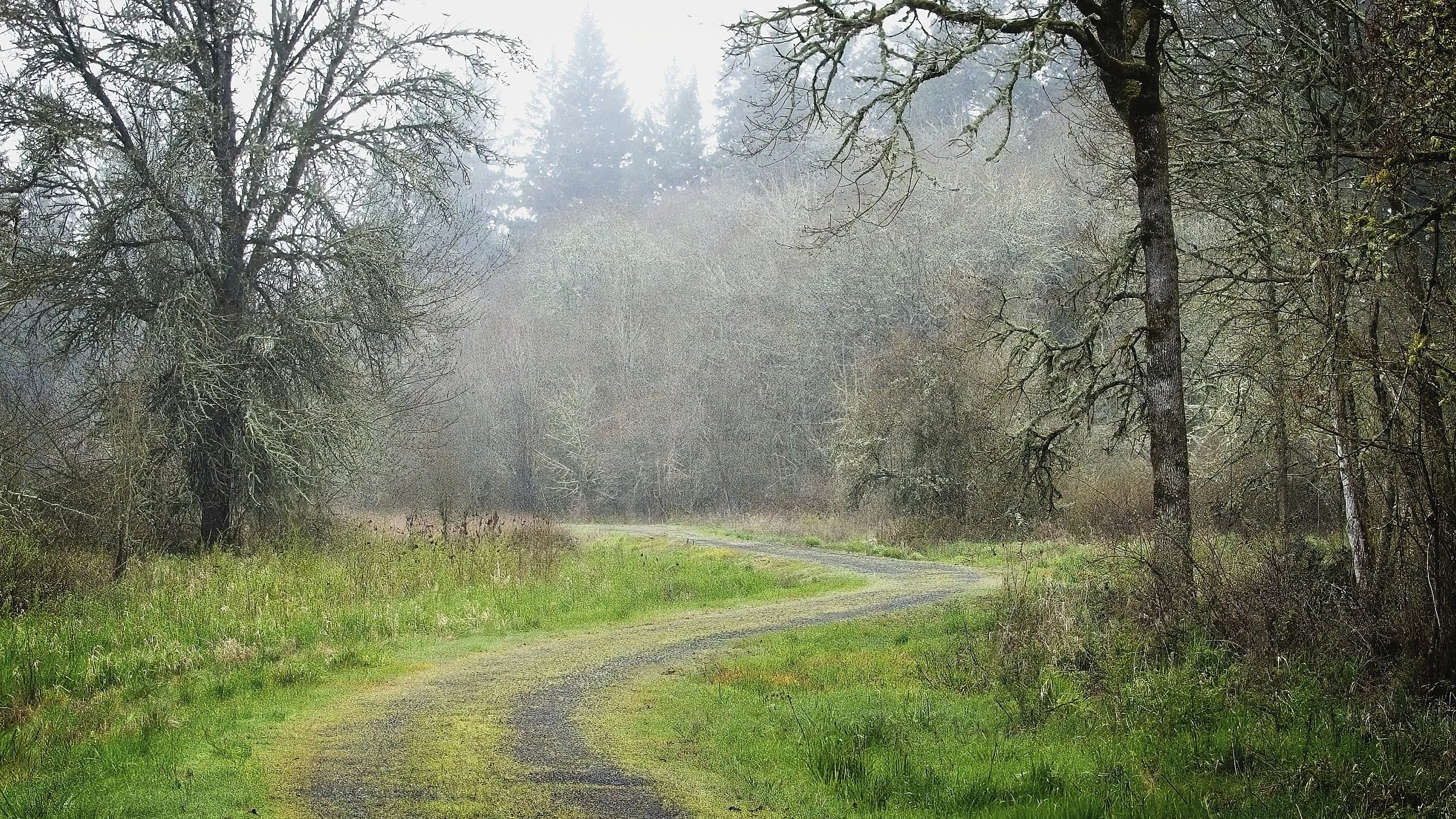
“Learn from the past, prepare for the future, live in the present.”
— Thomas S. Monson
Last week, I wrote about a major shift in my recovery journey—my therapist moving on and the sudden need to continue forward without that familiar pillar of support. At the time, I felt grounded and confident in the strength I’ve built.
This week, though, something quieter surfaced. A small current of apprehension rose up when I was reminded of the upcoming time change—the clocks rolling back, mornings growing colder, evenings stretching darker. The feeling was subtle but persistent. Instead of brushing it aside, I chose to explore it.
Memories returned—not vague impressions, but sharp recollections of where I was last year at this time. In early November 2022, I had a major relapse and binge episode. More memories followed: smaller slips throughout that fall and winter, ending in a final binge as the year turned toward 2023. Each one was painful. Each one hurt me. Each one affected people I cared about. I would get up again, shaky but determined, only to slide back down when the memory of pain faded and old thoughts returned: “I can handle it this time.” Or worse, I stopped thinking altogether and tried to outrun the darkness and overwhelm.
A detailed retelling of one of those relapse episodes might be useful in a future post—for myself and for anyone struggling with alcohol. But for now, I want to return to the quote that opens this week, and to the progress I see in how I approach my thoughts and feelings today.
I felt apprehension about the future—and I confronted it.
I remembered the mistakes I refuse to repeat.
I recognized the strength I’ve earned through honesty, practice, and sustained effort.
I stayed in the present. I didn’t get lost in rumination. And that grounded me.
This clarity doesn’t mean I’m free from worry. I still feel concern about past decisions, finances, relationships, uncertainty about the future, and moments of wavering confidence in my recovery. These areas deserve attention. At the same time, I’m learning to give myself space for activities that bring calm during lonely or challenging stretches—photography, reading for pleasure, jigsaw puzzles, and time in nature. Moments of stillness help me stay centered.
The coming season—with its cold, wet, and dark—will not dim the light of my recovery.
Recovery52 – Week 40 – Transitions

From an early morning contemplative walk at the Japanese Gardens in Portland, OR.
“A man's pride can be his downfall, and he needs to learn when to turn to others for support and guidance.”
— Bear Grylls
This week brought unexpected change in my recovery support network. After more than ten months of consistent, steady work with a therapist who helped me rebuild my life, I received an email letting me know he would be leaving the practice. We would have only one more session together. I sat in my car for a long time after reading the message, letting the weight of it settle.
A few thoughts rose quickly:
I have not been successful long-term in past recoveries when I convinced myself I could do this alone.
I have ended counseling relationships too early before—and relapsed.
I did feel some relief around my tight budget, but I also understood that the cost of relapse is always far greater.
This situation deserved to be examined using the SMART ABC tool.
Activating Event: After ten months of sobriety and growth, much of it supported by the guidance of a skilled therapist, I received the news that he would be moving on, leaving us with one final session together.
Belief: My first thoughts were conflicting. I felt fear because past attempts without strong therapeutic support have not ended well. I also felt relieved at the financial break, while knowing that avoiding relapse matters far more than saving money.
Consequence: I immediately recalled where past recoveries faltered—when I lacked the proper tools and support. But I also felt proud of my therapist and grateful that he offered referrals. I chose not to let anxiety spin out. I let the news settle in the background, knowing it would surface again in writing.
Dispute: Today, I have intrinsic motivation, momentum, and a solid foundation. I trust myself more than I ever have. I have tools, healthy routines, and genuine pride in my creative work. I live more consciously, more intentionally. I am stronger and wiser this time.
Effective New Belief: I will continue forward with the skills, insight, and clarity I’ve gained. I will seek new therapeutic support if I even sense the need. My recovery is worth the cost, the energy, and the adjustment. I have agency in my choices. I will not relapse.
I am deeply grateful for the support my counselor provided over the past year. His guidance helped me build the stability I now stand on. I will continue my recovery with the same honesty, curiosity, and commitment that have carried me this far.
Recovery52 – Week 37 – Moving Forward

“No one saves us but ourselves. No one can and no one may. We ourselves must walk the path.”
— Buddha
I’m a couple of days late with this week’s post, missing my self-imposed Thursday deadline. And I’m completely at peace with that. I chose instead to enjoy a road trip through central Washington, traveling part of the Cascade Loop with a good friend. We drove long miles on rural roads, photographed landscapes, and embraced a sense of adventure. A missed deadline was a small price for time well spent.
Recently, both my own reflections and a friend’s observation made me aware that my posts have been leaning toward the “safe” end of the emotional spectrum. Topics like mindfulness practice, healthy routines, stable sobriety, and passion for photography are all true—and all important. But they aren’t the whole story.
There are deeper and darker chapters in my past that I avoid writing about—topics tied to shame, guilt, resentment, or anger. Experiences painful enough that I’ve hesitated to confront them, let alone share them. Some of these memories could upset others or even risk judgment or rejection. And although I’m not ready to detail those experiences publicly, I recognize they are threads woven through my thoughts, emotions, and behaviors—even now.
But ignoring it hasn’t freed me from its influence on my life.
I’m beginning to see that part of moving forward means turning toward those moments with honesty and curiosity. I plan to focus upcoming journaling on the critical events that led me toward escape, numbing, and self-limiting beliefs. Through self-reflection, awareness, and conversations with my therapist and trusted loved ones, I hope to find whatever resolution or understanding is needed.
This work will require vulnerability, courage, and emotional openness. I may walk it with the support of others—but ultimately the path is mine to travel.
Recovery52 – Week 35 – Passion Over Addiction

“Passion creates, addiction consumes.”
— Gabor Maté, In the Realm of Hungry Ghosts
This has been a good week for me, relatively speaking. At thirty-five weeks alcohol-free, having moved beyond routine urges and practicing healthier habits in both thought and behavior, I feel my sobriety is solid. But I also know—through hard experience—that sobriety is never guaranteed.
I’ve abstained before. I can recall three serious attempts at sobriety after drinking became a problem in my life, only to return to the false comfort of numbness or altered awareness. Those attempts were what I now think of as “white-knuckle recovery”—efforts held together by fear, willpower, and desperation, but without the deeper internal work needed to sustain change.
The difference this time is that I have changed. I’ve worked to understand myself through self-awareness, with support from loved ones and a good therapist. I’ve recognized how my old ways of thinking kept me on a path that was slowly destroying me. I’ve practiced mindfulness, learned to accept reality instead of hiding from it, and begun choosing wise responses instead of blind reactions.
Most importantly, I’m excited about sobriety this time—truly excited. And I feel passionate about creating—creating a better version of myself, creating more meaningful relationships, creating art with my photography, and creating my future. Creativity restores meaning to my life in ways alcohol never could.
Recovery52 – Week 33 – Two Thieves

Past & Future
“Many of us crucify ourselves between two thieves — regret for the past and fear of the future.”
— Fulton Oursler
With more than eight months in sobriety and thirty-three weeks into this photography project, I continue to find peace and clarity in daily life—peace and clarity I did not have when I was drinking, especially during periods of heavy use. After stumbling out of my last hard binge, carrying the painful memories of prior lapses, the knowledge of how I hurt others, and the growing realization that my life had lost meaning, I resolved to end that way of living.
With my own intention, and with the support of family, friends, and the wealth of resources available for people dealing with alcohol misuse, I’ve developed habits and routines that support ongoing growth. Caring for my body and mind, and strengthening my self-awareness, have become pillars of my recovery. When old thought patterns begin to surface, I can pause, recognize what’s happening, and choose how to respond to any urges that arise.
A major theme in my drinking history was anxiety—being caught between remorse and regret over the past and worry about the future. That split focus often led me toward avoidance and unhealthy coping. Today, my practice of mindfulness helps me catch myself when I drift into those old patterns. I can recognize when my mind begins to wander into what was or what might be, pulling me away from the present moment.
It’s useful, even necessary, to look backward for learning and to look forward for planning. But being consumed with regrets about a past that cannot be changed, or fears about a future that may never unfold, is both exhausting and damaging.
In service to myself and my sobriety, I must continue guarding against these two thieves of the present: past and future.
Recovery52 – Week 32 – Governing the Kingdom

“A little kingdom I possess, where thoughts and feelings dwell; And very hard the task I find of governing it well.”
— Louisa May Alcott
As I enter another week of recovery, I’m reminded how much of this journey is about managing my inner world—my thoughts, feelings, and reactions. This week brought several events that stirred strong emotions and challenged my sense of balance.
Here are the stressors that shaped my week:
⦁ I came down with shingles the same weekend I received the shingles vaccine.
• My son’s wedding celebration was planned, and I was excited to be part of it.
• Loved ones are dealing with serious personal health issues, and I had committed to being available for caregiving, but was unable to.
• I was recently diagnosed as pre-diabetic, and the tinnitus I’ve been dealing with will not be medically evaluated until January.
I realize my stack of issues is small compared to the hardships others face—friends, family, and many people I read about in recovery communities. In truth, my life right now is pretty damn good. I’m grateful for where I am, what I have, and the growth I’m experiencing.
Still, the emotional mix this week felt worth sharing. Shingles brought pain and sleep disruption. The virus’s contagiousness forced me to consider risks and make difficult choices—I ended up missing my son’s wedding ceremony to protect others. I also stepped back from caregiving commitments. Missing workouts and hikes left me feeling physically disconnected from the routines that help keep me centered.
During this self-imposed isolation, I became more aware of the tinnitus, reflected on my diet, evaluated my financial picture, and thought more deeply about long-term goals and plans. My feelings shifted over the week: fear, sadness, regret, uncertainty, and even a shade of depression I hadn’t felt in a long time.
I also noticed subtle moments of relapse risk—those flickers of dangerous thinking. When I felt low, I imagined going out alone into nature, but thought it best not to drive by any beckoning trigger locations. I recognized the familiar self-doubt and remembered past relapses sparked by a single “eff it” moment. I even imagined the risk at the wedding celebration, knowing how easy it would have been to chase positive emotions with “just a glass or two.”
Those memories are vivid and still guide me now. They remind me that I cannot safely handle “just one.”
This week, I watched my thoughts and feelings with awareness. I let them rise and pass without surrendering to them. Old defense mechanisms—denial, numbing, avoidance—had no place here. I stayed present, mindful, and sober.