Recovery52 – Week 48 – Praise & Apologies
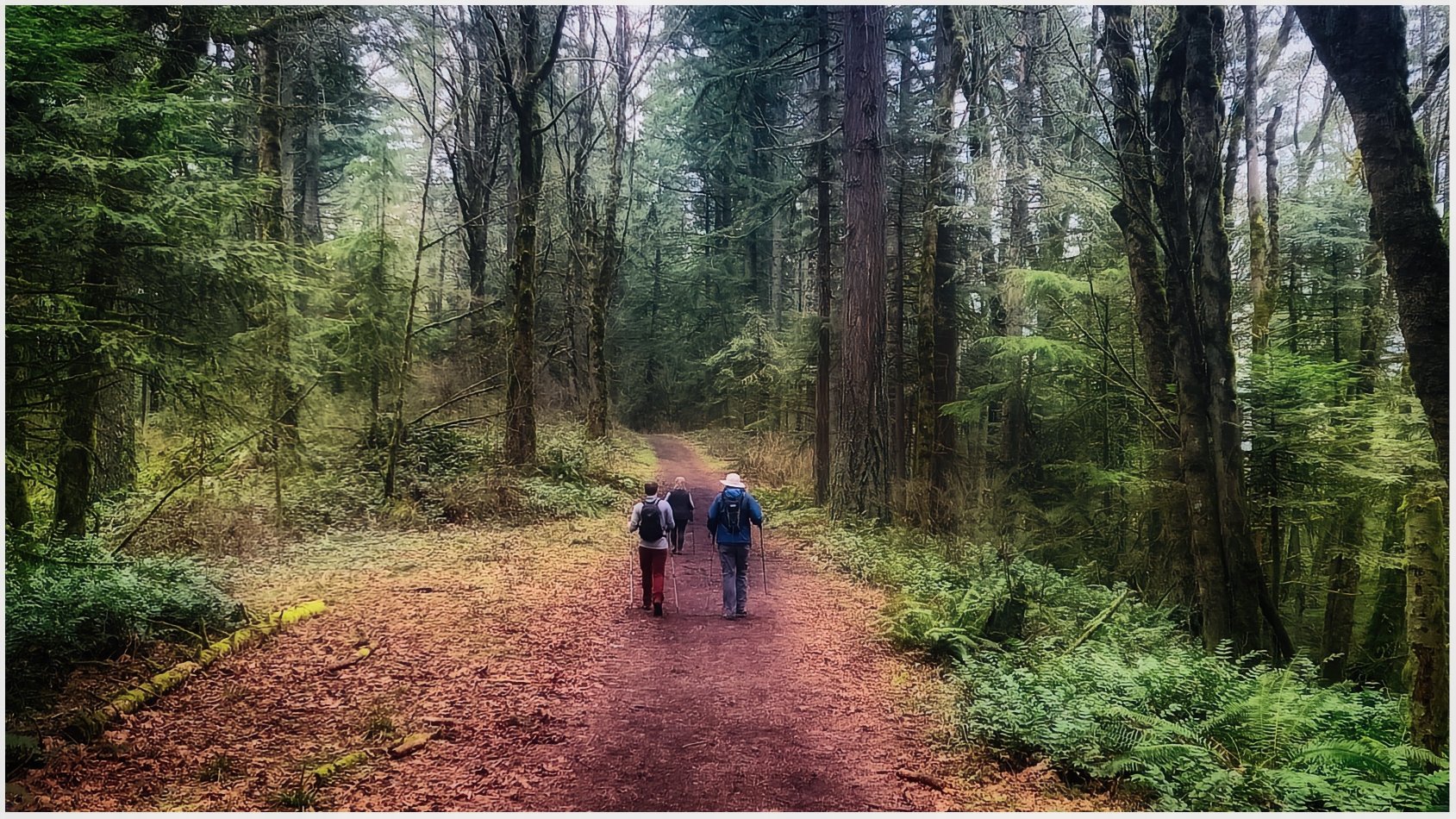
“Apologies aren’t meant to change the past, they are meant to change the future.”
— Kevin Hancock
Early in this project, while talking with a close friend about the emotional and physical traumas of my childhood, I shared a vow I made long before I had the words for it: I would never hit a woman or harm a child. Given what I had witnessed and endured, this vow felt like a core promise—a line I would never cross.
He responded with something that stayed with me: “You broke the cycle. You didn’t repeat the pattern.”
He was right. I take genuine pride in that. I am proud of the vow I made, and proud that I lived by it. But there is another side to the story. My adverse childhood experiences—and the vow not to become what I witnessed—pushed the pendulum in the opposite direction. In trying to protect the feelings of others, I avoided honesty when honesty was needed. To avoid emotional discomfort in myself, I numbed, hid, and shut down. And by doing so, I caused harm—not through violence, but through absence, dishonesty, withdrawal, and emotional unavailability.
My emotional immaturity and my habit of retreating from difficult feelings kept me from being fully present as a father, partner, and friend. My worldview often became cynical, dark, and closed. I put distance between myself and the people who cared about me, missing opportunities for connection, growth, and possibility.
So here I am now, recognizing that apologies are not just appropriate—they are necessary. I offer apologies to anyone who suffered as a result of my choices: missed commitments, poor decisions, emotional distance, and the failures in sobriety that pulled others into my struggles. My apologies extend to everyone affected by my addiction and avoidance. (For some, this echoes the spirit of Step Five in AA.)
But those closest to me—the ones who stood by me through the worst of it—deserve more than a written acknowledgment. They deserve my presence. They deserve sincerity. They deserve real, face-to-face apologies. These apologies cannot change the past, but they can help create a better future. I don’t expect forgiveness, but I am finally learning to forgive myself.
I opened this post by accepting praise for breaking a generational pattern. I want to close with acknowledgment of something else: I am proud of my recovery. I am proud of breaking the cycle. And I am proud of not repeating the patterns of lapse and relapse. In less than two weeks, I will reach a full year—not just of sobriety, but of genuine, transformative recovery. And I intend to keep moving forward.