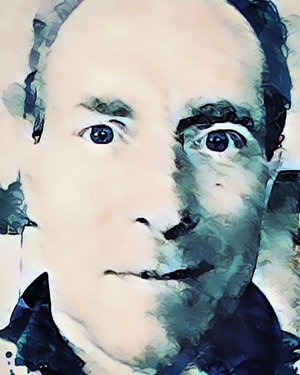
Recovery52 – Week 42 – My Why

Carefree youth
“Fear is the memory of pain. Addiction is the memory of pleasure. Freedom is beyond both.”
— Deepak Chopra
Here I am at Week 42 of this photography project documenting my recovery from alcohol addiction. Forty-two weeks of steady work—self-analysis, self-awareness, and daily practice of healthier skills and habits. I have changed the way I react to external triggers and how I respond to my internal thoughts and feelings. I’m proud that I have not turned to the false comfort of alcohol this year. And still, I know there is more work to do.
I’ve become more open and honest with family, friends, a trusted therapist, and myself. Yet I also recognize how often I remain guarded—defaulting to self-protection, avoiding confrontation, suppressing difficult feelings, and distracting myself instead of allowing vulnerability. These patterns limit my growth. They can hold me back from forming deeper relationships. And sometimes, unintentionally, they can even cause harm.
I’m reading a book on recovery right now, and a chapter on risk factors underlying addictive behavior struck me with unexpected clarity. Below are those factors and how they relate to my own life:
Genetic: There were drinkers on both sides of my family, along with diagnosed mental health issues.
Developmental: My mother’s multiple marriages—and the trauma brought on by abusive husbands and stepfathers—left deep marks on my early childhood. My ACE (Adverse Childhood Experiences) score is high.
Environmental: Without strong role models, and with the compounding effects of trauma and genetics, I grew up lacking confidence and the skills to stand up for myself. These patterns carried into adulthood.
Creative Nature: A sensitive nature, low self-confidence, and memories of criticism around creative activities led me to hide or abandon my artistic interests. Today, though, my photography is something I’m genuinely proud of. It proves that my creative voice never disappeared—it just needed space and safety to emerge.
These risk factors will be the focus of upcoming posts. Recently, I’ve used SMART Recovery’s ABC framework to navigate challenges. Moving forward, I want to blend that with other cognitive behavioral tools to better understand how these long-standing factors shape my thoughts, behaviors, and reactions. Greater clarity may help me see what truly needs to change.
I can’t change my past. But I can examine how I respond to triggers today. I can look at which risk factors are influencing me, and acknowledge the impact of old wounds without clinging to them. This isn’t about claiming victimhood or placing blame. It’s about forgiving myself for developing coping strategies that once helped me survive—and recognizing that the beliefs formed in childhood no longer serve me.
“I have the power of choice, and I can choose better.”