Recovery52 – Week 09 – A Time to Celebrate

“Celebrate yourself... and stay positive!”
— Khoudia Diop
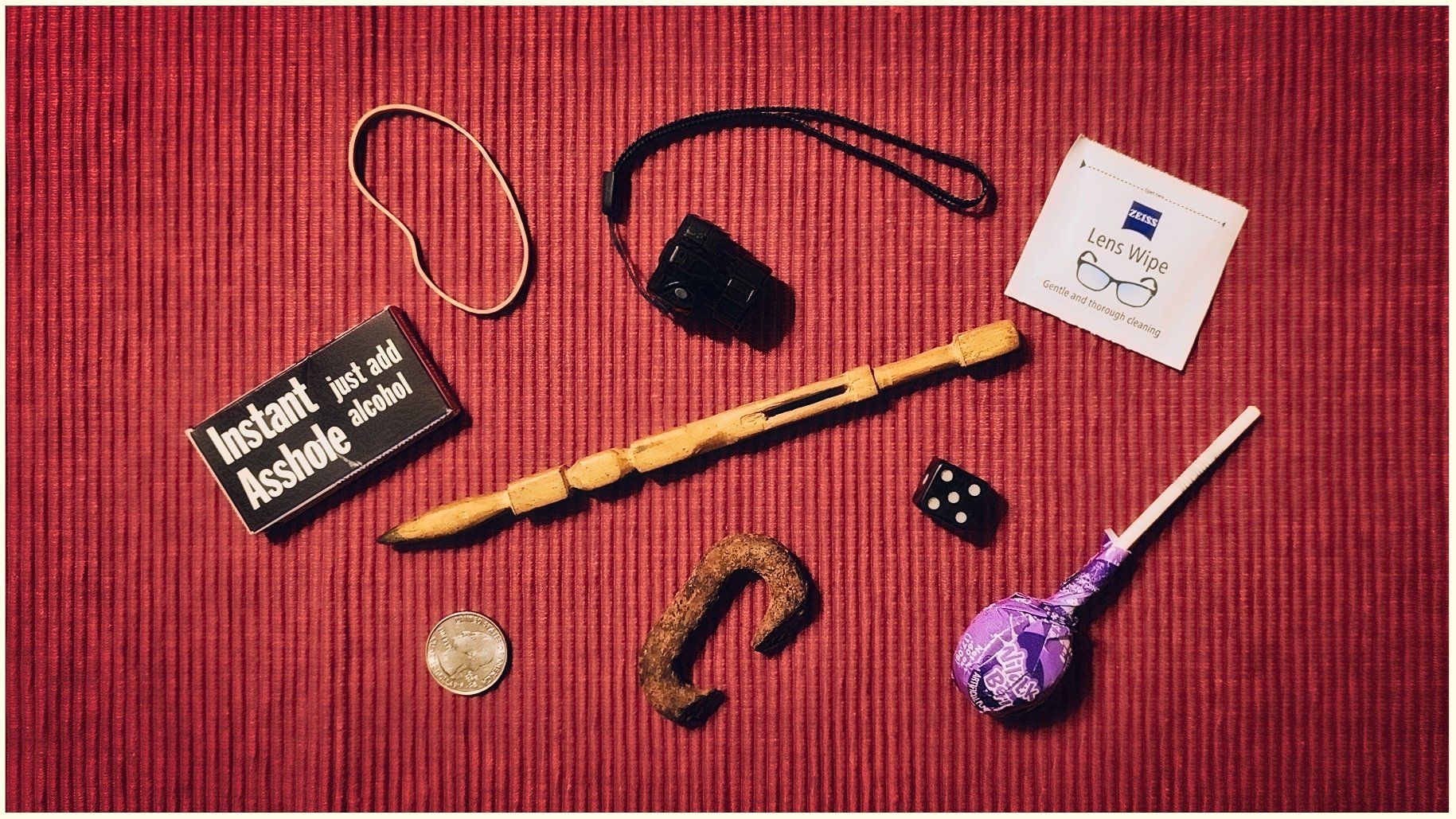
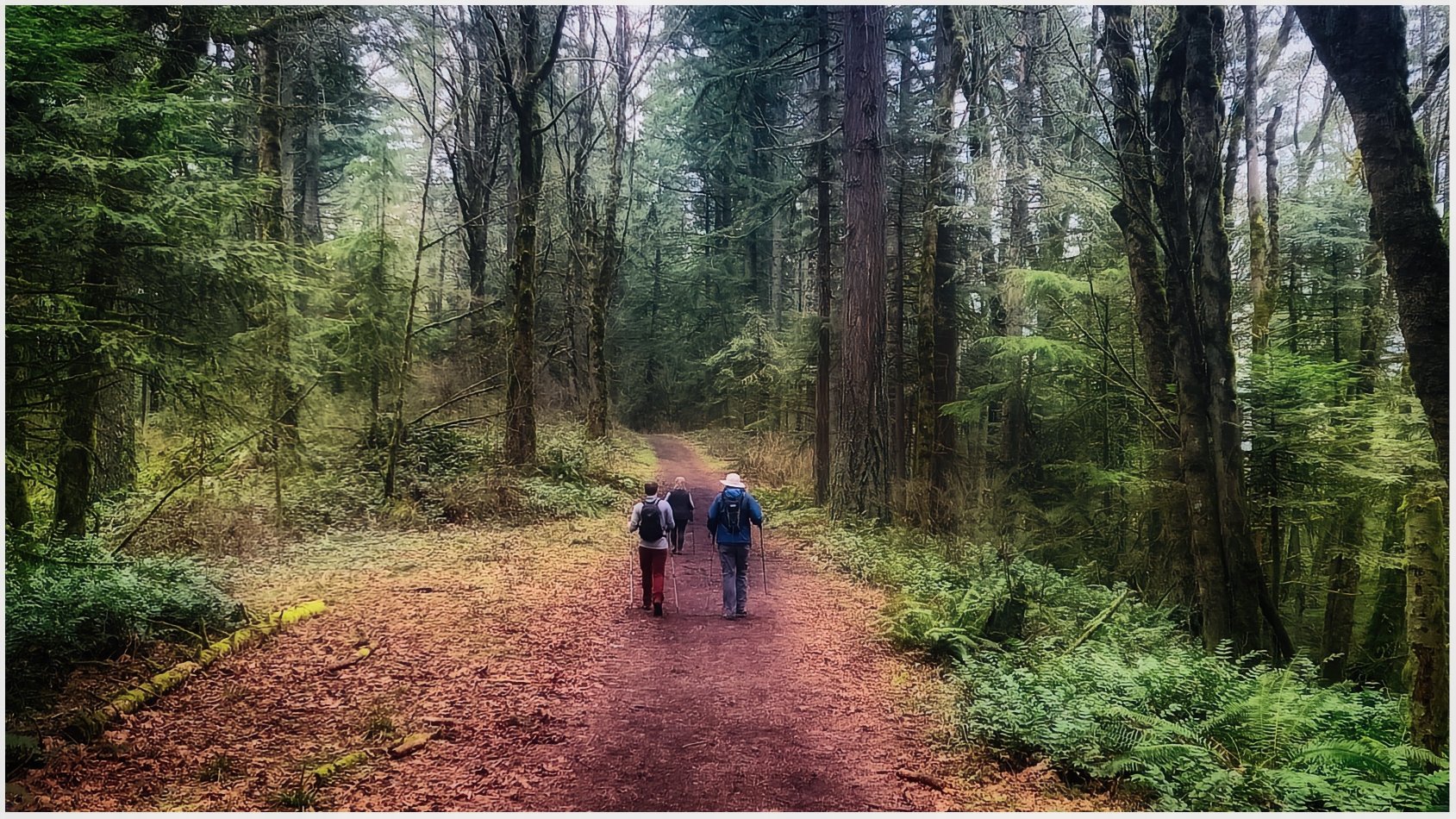
Eighty days sober. One more than my longest stretch last year — and it feels different this time. The number itself is small, but the meaning behind it carries real weight. Today marks a turning point, not because I’ve crossed some grand threshold, but because I’m seeing myself grow in ways I didn’t trust were possible a year ago.
At the start of this project, I went back through my old journals from 2022. I tracked each lapse, counted the days between them, the gaps in my journal a record of remorse and regret. Some of those pages were hard to sit with. They forced me to remember the pain: the guilt, the withdrawals, the fear, the hiding, the stories I told myself to justify it all. Eventually, I had to stop reading. It was pulling me backward, fanning shame instead of building insight. So I drew a line. I saw no benefit in looking back at 2021 or further. Seventy-nine days became the record to beat — and with day 80, I’ve done it.
But I also know this milestone doesn’t grant immunity. In past recoveries, I’ve let the momentum of early success convince me that I’m “fixed.” I regained clarity and confidence and started believing I was safe, that I’d outgrown the danger. I let the memory of the last binge fade — the physical sickness, the emotional fallout, the hurt I caused myself and others. The farther away that memory drifted, the easier it became to think, I’ve got this. And slowly, quietly, my guard dropped.
As I reflect on my lapses, I can’t always identify a clean trigger. Sometimes it’s a rationalization whispering — just tonight, just a little, you can handle it now. Other times it’s raw defiance — to hell with it, choosing not to care for a moment. Maybe it’s emotional exhaustion. Maybe overconfidence. Maybe the physiology of addiction. Whatever the cause, the pattern is the same: I fail most often when I assume I’ve already succeeded.
This time, mindfulness is helping me stay grounded. I’m learning that the real markers of recovery aren’t the number of days that pass, but the shifts happening inside me — how I respond to stress, how I interrupt old thought patterns, how I stay present when emotions get messy. Those changes don’t show up on a calendar, but they matter more than time ever could.
The Recovery52 project gives me something I badly need: structure, accountability, and a weekly reminder of why I’m doing this. The process of choosing an image, reflecting on the week, and writing honestly about where I stand keeps my intentions fresh. It’s a creative ritual, but also an act of maintenance — both emotional and practical.
I can imagine reaching Post 52. I can picture feeling proud, steady, maybe even ready to celebrate with a short trip, a workshop, or a weekend at the coast. But I also imagine waking up the next morning — day 366 — knowing that nothing magical happens overnight. This isn’t a finish line. It’s a way of living, one I choose again and again.
Recovery52 – Week 08 – My Healthy Grounding Habits
“Healthy habits harbor happiness.” — Zero Dean
Last week, I wrote about mindfulness and responding to irritations before they gather into something heavier. This week, I’m turning back to the habits that keep me grounded — my recovery “toolbox.” These aren’t abstract ideas. They’re day-to-day, tangible practices that shape my stability.
• Connection: I may be introverted, but I’ve learned that isolation is dangerous for me. A phone call with a friend, a shared laugh, even a quick text exchange can shift my entire emotional landscape. When I stay connected, I feel supported and human; when I withdraw, I start to drift.
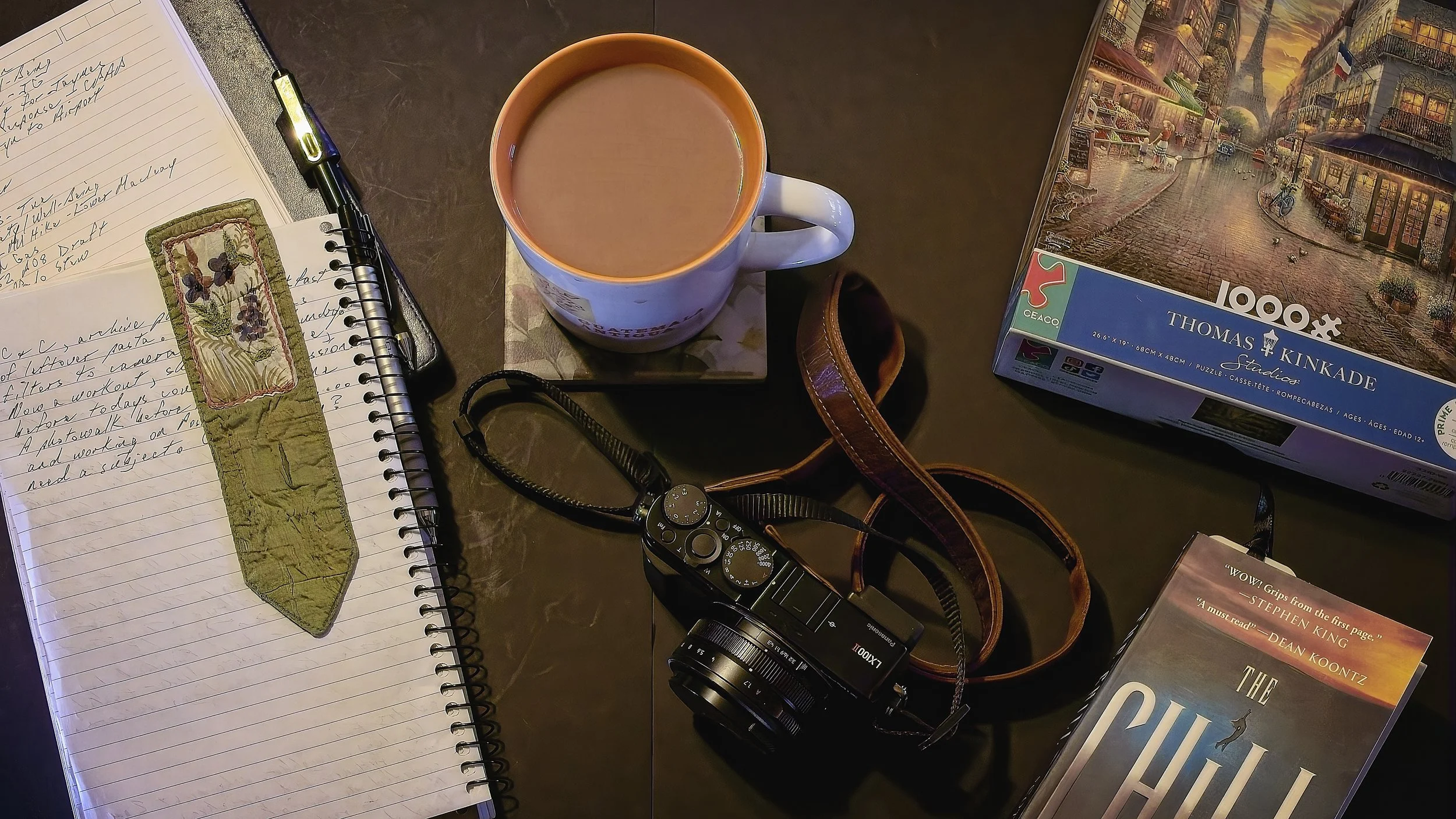
• Daily planning: Each morning, I write out what matters. At the top of the list is always “Sobriety / Well-Being.” Seeing it first centers me. It’s a reminder that everything else rests on this foundation. Checking that box at night feels like acknowledging that I cared for myself that day.
• Journaling: My journal is where I untangle my thoughts. I write about how I slept, what I'm worried about, what I’m proud of, and what’s weighing on me. When I put the words on the page, the noise in my head settles. Morning entries set the tone; evening entries help me close the day cleanly.
• Acts of creation: Photography, cooking, puzzling — these aren’t just hobbies. They’re ways of coming back to myself. When I edit a photo, finish a meal, or lock in the last few puzzle pieces, I feel grounded. These small creations give me a sense of accomplishment and forward motion.
• Morning coffee & creativity: Most days begin with coffee and photo editing. Quiet mornings and creative focus help wake me up from the inside. It’s a gentle way of stepping into the day, not forcing it.
• Exercise: Drawing from my personal-training background, I build simple routines with basic equipment. Push, pull, squat, move. Even twenty or thirty minutes changes how I feel. It reminds me that I have a body worth taking care of — and that movement softens the edges of anxiety.
• Time in nature: Trails, forests, ocean air — being outdoors resets me. Whether it’s a long hike or a slow walk beneath the trees, nature gives me space to breathe and feel small in a good way. It feels spiritual in a way that’s hard to explain.
• Reading & edutainment: Books and thoughtful content have replaced the doom-scroll. Fiction lets me step out of my world for a moment; nonfiction feeds my curiosity. Podcasts and lectures keep me learning without overwhelming me. These choices help me wind down without losing myself.
I know from experience what happens when these habits start slipping. I become unsteady, anxious, disconnected — more vulnerable to old patterns. These aren’t boxes to check; they’re supports I lean on. Life will interrupt them now and then, and that’s okay. The power is in choosing them again when I can.
Recovery52 – Week 07 – Attention to the Moment

“The best way to capture moments is to pay attention. This is how we cultivate mindfulness. Mindfulness means being awake.”
— Jon Kabat-Zinn
This project keeps bringing me back to its purpose: living a sober life with intention — and finding happiness in that choice. This week is steady: no lapses, no desire to be altered. I hiked and photographed, read, worked jigsaw puzzles, planned my days, and exercised. I also minimized social and news media intake. I finally arranged health-care coverage after going without it for a couple of years and completed an at-home sleep apnea test. I’m staying the course; the direction is good.
My biggest win is mindfulness — paying attention to the moment, especially in situations that once would have sent my anxiety climbing. One morning brings a whole string of irritations. My plan is simple: drop donations at Goodwill, grab groceries, then head to therapy. Here’s how it actually unfolded:
• I loaded my car with donations and drove to the nearest Goodwill, thirty minutes after they were supposed to open. Cones blocked the entrance and the center was closed. I felt a jolt of frustration — Really? Today? — but after a breath, I let it go.
• At self-checkout, as I paused to pull out my shopper’s card, the attendant swooped in to question my delay in scanning. Her tone hit me wrong — condescending, almost scolding. My irritation flared, but I reminded myself she was just doing her job. I chose to let it go.
• In the parking-garage stairwell, a young man rounded a blind corner with his head buried in his phone and nearly collided with me, knocking me off balance. My heart jumped; anger followed fast. I let myself feel it for a moment, then exhaled and let it go.
• At my counselor’s office, every visitor-spot was full. Another thing going wrong. Instead of brooding, I drove to a nearby park, paid the fee, and walked back through the trees, letting it go. It calmed me. I arrived early and shared these pause points in session.
There were other successes this week — moments where I noticed my reaction rising and chose the healthier response. These small choices prevented anxiety from piling into something dangerous for my sobriety. Respond, don’t react. I’m learning to appreciate mindfulness.
Recovery52 – Week 06 – Remind Me Why I'm Doing This?

“Motivation is what gets you started. Habit is what keeps you going.”
— Jim Rohn
My last post ended with the intention of describing the healthy habits and routines that help me stay on the safe path of sobriety. Lately, though, I’ve found myself a bit unfocused — my mind jumping between too many thoughts at once: routine, rigidity, self-trust, fear, uncertainty, anxiety, mindfulness. All important, but overwhelming when they crowd in together. I know I need to slow down.
I confided in a friend that I was feeling low and unsure of my direction. She gently suggested that I return to the purpose of this project — to reconnect with the light and let the heavier reflections wait. Hearing that helped. It was the external reminder I needed.
Before moving forward, I needed to revisit the difference between intention and motivation. Intention is my direction — chosen, deliberate, steady. Motivation is the energy that carries me toward that intention, and unlike intention, motivation isn’t constant. It rises and falls. Some days it feels natural and effortless; other days it barely shows up. That fluctuation isn’t failure — it’s human.
Motivation also comes in different forms. Intrinsic motivation — purpose, meaning, curiosity — comes from within. Extrinsic motivation — support, accountability, encouragement — comes from outside. Both matter. Both shift. Intention stays constant. Motivation moves around it.
Here’s where I stand today — my what and my whys:
Intention: To achieve and maintain joyful sobriety from alcohol.
Motivations:
• Awareness that I’ve lived too long without direction — and a desire for a meaningful, fulfilled life.
• Excitement and commitment to this Recovery52 project.
• The mental and physical benefits of healthy living.
• Devotion to family, loved ones, and friends — wanting to be reliable and present.
• The determination to end the physical, mental, and emotional pain caused by drinking.
Reviewing this lifts some of the fog. I feel clearer, steadier — no slip, no backslide, just an honest check-in and a renewed commitment to sobriety.
Related Riffs: Self-Awareness, Resilience, Gratitude
Recovery52 – Week 05 – Serious Recovery ... This Time!

“My recovery must come first so that everything I love in life doesn’t have to come last.” — Anonymous
At the end of last week, I thought I might write about the routines that keep me grounded, but as this week unfolded, my reflections returned to something deeper: the seriousness of my commitment to recovery and why it matters.
This is not my first attempt at recovery from alcohol misuse — but I want this one to be lasting. I often turned to alcohol as a numbing agent when facing pain and anxiety, or as a celebratory indulgence when chasing excitement. Sometimes both urges collided — running from pain while chasing pleasure. The result was always the same: temporary escape, deeper regret, and greater loss.
The pain I tried to bury never went away. The pleasures I chased were illusions, and in pursuing them, I hurt the relationships that mattered most. Broken trust became the echo of every relapse.
Now I want to go deeper in understanding my lapses. I know there is early childhood trauma. My lifelong patterns of avoidance, dishonesty, and self-protection have roots there — shaped by fear of rejection and fear of commitment. I wrestle with depression and wonder whether other mental health factors may also play a role. Am I ready for this deep dive? I believe so. I’m committed to counseling with a therapist I trust, and this phase of recovery — addressing root causes — will show up in future posts.
My commitment to abstinence is serious. I’m intentional about protecting my recovery by keeping distance from situations or people that could endanger it. My days begin with intention and end with reflection: the first line in my planner reads, “Sobriety / Well-Being,” and I close each journal entry with, “A safe and sober day.” Between those two lines lies the practice of mindful living — creative pursuits, structured routines, and deliberate self-care.
This isn’t selfishness — it’s self-preservation. Recovery grows when self-care becomes daily practice.
Recovery52 – Week 04 – Perspective & Choice

“Whatever choice you make makes you. Choose wisely.” — Roy T. Bennett
At the end of last week, I thought I might continue exploring the tools I use to separate reaction from response, but as this week unfolded, my reflections kept returning to something deeper: how perspective shapes the choices I see — and the ones I believe I have.
Following last week’s exploration of reaction vs. response, I’m continuing to notice how awareness gives me power over my choices. Every moment offers a chance to pause, think, and act intentionally. The question isn’t only how I respond — it’s also how I see the situation that requires a response.
My counselor once used the phrase “choice points,” a concept that mirrors what I now think of as pause points. Both ideas remind me that in nearly every circumstance, there is space for deliberation — but that space only exists if I’m aware of it. Too often, I move through life reacting automatically, not realizing a choice is there. Mindful awareness helps create that space, turning impulsive reaction into intentional choice.
As I sit with this idea, I realize that my perspective — how I interpret my options — is often my greatest limitation. My mind too easily defaults to a filter of “can’t” instead of “can.” When an opportunity appears, I’m quick to list reasons it won’t work rather than ask, “Why not?” or “How can I make this possible?” That negative bias feeds self-doubt and keeps me from action.
That mindset has real consequences. When I believe I have no control, I slip into powerlessness. Worry spirals into anxiety; fear narrows my view until the only choice left seems to be avoidance. And avoidance, for me, used to mean turning to alcohol — to forget, to numb, to escape. That illusion of relief only deepened the sense of having no choice at all.
But I’m done with that. Now I try to stay open-minded when opportunities arise. Perspective and choice are active practices, not passive states. Shifting perspective takes effort. Making good choices takes courage. But they’re worth it — because each time I choose mindfully, I reclaim a bit more of my freedom.
“When you have to make a choice and don’t make it, that is in itself a choice.” — William James
Recovery52 – Week 03 – Reaction vs Response
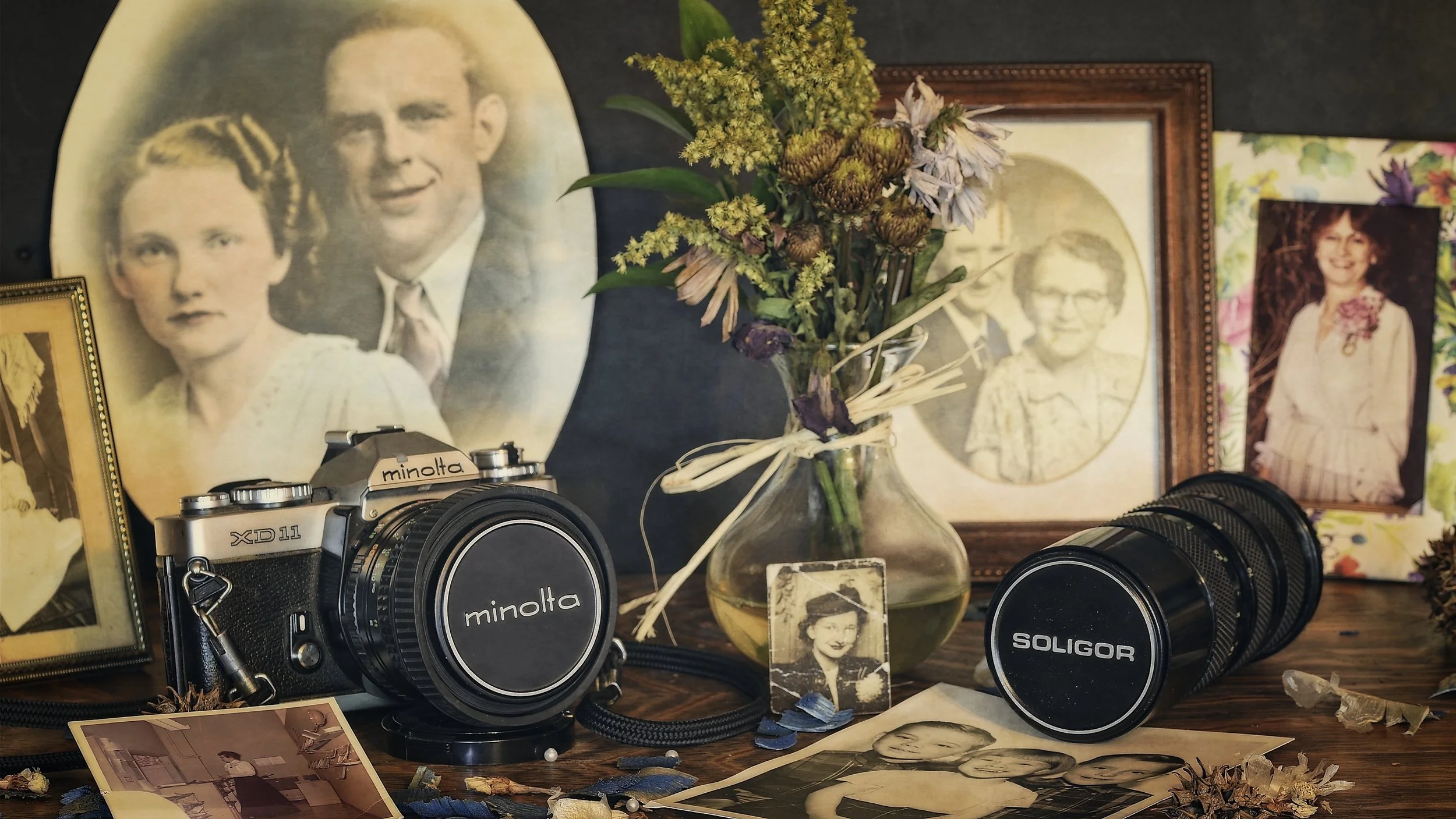
“Between stimulus and response there is a space. In that space is our power to choose our response. In our response lies our growth and our freedom.” — Viktor E. Frankl
Last week, I thought I would write about relapse, but as this week unfolds, my reflections are pulling me toward something more immediate: the space between reaction and response.
My counselor recently used the phrase “pause points” while we were discussing my repeated lapses with alcohol. The idea sticks with me. My lapses often happen when I surrender to urges — seeking relief from anxiety or trying to amplify fleeting good feelings. It’s usually a swirl of conflicting emotions that pushes me into blind reaction mode, blunting rational thought and giving myself permission to think, “Just one drink,” or “Just tonight.”
Nonsense. When I’m sober and clear, I know drinking is never okay for me. My history shows this. I’m one of those people without an off switch — “If one is good, more is better.”
The concept of pause points distills Frankl’s idea into something immediate and practical. It reflects what I learned through SMART Recovery and cognitive behavioral therapy: there is a moment — brief but powerful — when awareness can interrupt habit. Too often, I react without thought, sliding toward a lapse. The challenge is to recognize when I’m entering that slope and pause before taking the first step.
Knowing I’m at a pause point means using that space to imagine the consequences ahead. I can picture the hurt that follows a lapse, or the pride and strength that come from choosing health. For me, that choice must always be abstinence.
To separate reaction from response, I’ve found three tools particularly helpful:
Urge log — recording urges to spot patterns and identify triggers, especially in pre- and early-recovery.
Mindfulness — staying present rather than getting lost in rumination or worry.
Journaling — tracking thoughts and behaviors as a record and a problem-solving tool.
Each of these tools will receive more attention in future posts, as they are shaping my current effort to find clarity and steadiness through abstinence.
Recovery52 – Week 02 – Self-Awareness

“Until you take the journey of self-reflection, it is almost impossible to grow or learn in life.” — Iyanla Vanzant
In last week’s reflection on change, I wrote about how transformation begins with intention. This week, I turn toward self-awareness — the ongoing practice of knowing myself honestly, without the filters of old stories or defenses.
A dictionary defines self-awareness as having good knowledge and judgment about yourself, but I’ve learned it’s far more complex. It’s the willingness to examine who I am beneath assumptions and habits, and the humility to admit that my understanding of myself hasn’t always been accurate.
Early childhood trauma and longstanding, unexamined fears have shaped my life in ways I didn’t fully see. Avoiding confrontation, retreating from emotional discomfort, seeking distraction, and guarding myself too tightly become familiar patterns — ones that protect me for a time, but also limit me. These tendencies interfere with relationships and keep me from facing the truth of my own behavior.
In recent years, I’ve had multiple lapses. Each time, I believe I’ve finally figured it out — only to fall back into familiar thinking and drinking patterns. My lapses happen in silence, because I drink alone, convincing myself that no one will notice. But that silence is loud to the people who care about me. Alcohol misuse is never invisible. It is harmful, selfish, and never “just this once.”
Developing self-awareness takes commitment. I turn off distractions and practice stillness. I use mindfulness and meditation, journal when it helps, and pay attention to my instinctive reactions — to others, to the world, and to my own thoughts. The goal is not perfection but honesty: to see what’s inside, understand it, accept it, and sometimes forgive it.
Self-awareness is not comfortable. It brings up guilt, shame, remorse, resentment, and regret — but these feelings show me where I still have work to do. And as with change, I know I can’t do this alone. Reaching out for professional support is essential to this process.
Next week, I plan to explore relapse more directly — how it happens, how to recognize early warning signs, and how greater awareness can help me avoid giving in to the urge.

Recovery52 – Week 01 – Change

Mt. Hood, Oregon
“Your life does not get better by chance, it gets better by change.” — Jim Rohn
This first post marks the true beginning of my Recovery52 journey — an honest look at my substance abuse, my missteps, and the healing I’m trying to work toward.
The project is meant to share my thoughts, experiences, and emotions — the hardest things for me to express — through weekly posts and photographs that capture what resonates most in each moment. These reflections serve as both personal therapy and, I hope, a source of encouragement for others in recovery.
Change Is Necessary
A few years ago, I started recognizing that my substance abuse was toxic to both me and my relationships. I tried therapy without real success, then joined the SMART Recovery community, where I found some footing for a time, but not long-term sobriety.
Accepting the need for change allows me to begin seeing moments of mental clarity, improving relationships, and renewed motivation to keep moving forward in sobriety.
Change Is Difficult
Change takes work — painful, persistent work. It means learning to see what disturbs me, understanding the relationships that trouble me, and, hardest of all, facing the inner critic that keeps replaying old stories.
My environment is changed: moving from raising children in a home to living alone in an apartment, and beginning a midlife career shift. My relationships changed through divorce and heartbreak, both tied to my drinking. I let friends and family down in my periods of “silence,” and attempts at new relationships faltered. I left behind a trail of broken trust.
The most difficult change, though, is within — acknowledging that I need to grow up and recognizing that real healing must start from within.
Real change demands real effort. It’s not a recipe or a one-time act. It’s a process requiring intention, humility, and continuous motivation. For me, that means finally admitting I can’t do it alone — and seeking professional help. Asking for help remains hard, but it’s necessary.
Change Is Empowering
I’ve stumbled — relapsed — along the way, falling into old thought patterns and behaviors. A relapse feels like failure, but it also teaches me something. It’s a chance to analyze what went wrong, understand my triggers, and recommit to staying on track.
Sobriety brings clarity. With it, I find greater passion for creative work, honesty in relationships, competence in my commitments, and growing self-awareness. Each small success builds confidence — each step forward is empowering.
Accepting the need for change is only the beginning. Setting intention and maintaining motivation — those will be next week’s focus.