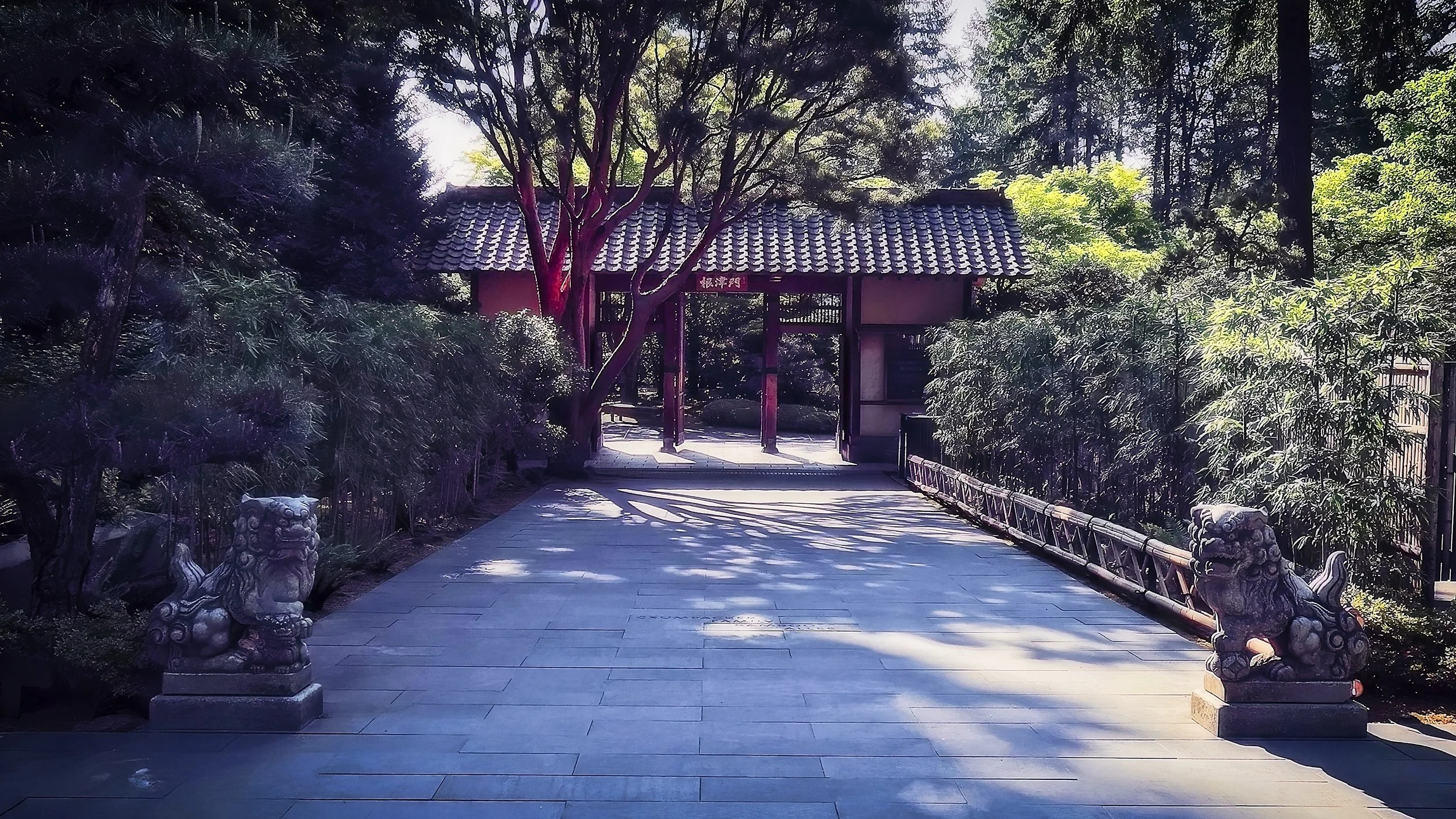
From a mindful stroll through the Portland Japanese Gardens. 05/25/23
A Thought ...
in Recovery52

Recovery52

From a mindful stroll through the Portland Japanese Gardens. 05/25/23
“Every time you are tempted to react in the same old way, ask if you want to be a prisoner of the past or a pioneer of the future.”
— Deepak Chopra
Another solid week in recovery. A good week, really. I’ve had several topics waiting in the wings for this project — often teasing which one might come next — but once again I let last week’s idea simmer and chose to write about something that surfaced unexpectedly yesterday: the subtle, familiar whisper of the addictive voice.
I’m a member of the Portland Japanese Garden, a sanctuary of calm and a favorite place for photography and reflection. I’d been thinking of visiting soon, early in the morning with my camera. Then today I received a promotional email about a fundraising event titled In Praise of Time – Celebrating a Century of Japanese Whisky. The misspelling of “whisky” was theirs, not mine.
I skimmed the details and thought, “No, probably not for me,” and deleted the email. Later, as I considered scheduling a garden visit, the event resurfaced in my mind — quietly, almost innocently. A whisper: It’s a cultural event. It would be safe. The people there wouldn’t be alcoholics. You could go and not drink.
NO!
I stopped that line of thinking immediately. I know exactly where that train goes if I let it build momentum. The next whisper would be, Hey, maybe you could control it… maybe just one… you’re handling it. And then the old pattern of complacency, relapse, and pain.
This wasn’t a craving. I had no desire for alcohol. What I recognized was the voice itself — the old neural groove that once led me back into drinking. My success was in catching it early: practicing self-awareness, staying mindful, recognizing outdated mental habits, and staying true to my recovery.
Maybe that voice will always be with me. Maybe quiet, maybe infrequent, but still something to be wary of. Awareness is protection.

Looking south from high on Mt. Hood, 2019
“Sometimes, we motivate ourselves by thinking of what we want to become. Sometimes, we motivate ourselves by thinking about who we don’t ever want to be again.”
— Shane Niemeyer
This past week has been stable — without stumbles, not even close — but also without any celebratory wins. A recent knee injury has limited my movement and kept me from nature walks. I’ve noticed “triggered” sensations tied to old associations and have let them pass mindfully, without harm. I’ve been a bit more irritable, finding frustration in ordinary moments. I’ve caught myself slipping into cynical thinking — quick judgments, assumptions without facts. But self-awareness has helped me pause, reassess, and reframe my thoughts in more grounded, positive ways. Mindfulness isn’t always easy, but it’s always necessary for my sobriety.
I’ve joined a few recovery Facebook groups these past weeks, partly to keep a toe in the water and partly to remind myself I’m not swimming alone. I see people stumbling in early recovery and people thriving years into sobriety. Some find strength in a higher power; others find it within themselves. From research, testimony, and my own experience, I know there is no single path to recovery. For me, having a why — a reason and a purpose — has helped me stay on the path with confidence. I’m still not completely clear on what I want, but I am absolutely certain of what I do not want: to live and die drunk and alone.
And if sharing my words here helps even one person in their recovery, I am grateful to be of service.

“There’s not a drug on earth that can make life meaningful.”
— Unknown
This is not my first time attempting recovery from alcohol abuse. In the past, I tried to do it alone and only managed short periods of abstinence. Later, with outside support, I found recovery groups that gave me tools and connection, and I experienced longer stretches of sobriety. But eventually, the relapses returned — usually because I wanted to numb rather than feel the “pain” I believed my life was causing me.
What’s different this time is that I am being mindful in how I respond to daily stressors. I recognize when old triggers are present. I pause. I give myself the time to respond thoughtfully rather than react impulsively. When a thought of drinking rises — whether to numb discomfort or amplify pleasure — I ask myself, “How would this serve me?”
I have firmly set my answer: “It won’t.” I remember the damage alcohol has caused to myself and to others. I move on from the urge, feeling a sense of pride for choosing well in the moment, and building confidence each time I defuse a potential stumble.
Recently, I joined a handful of Facebook recovery groups where I’ve shared my photography project blog and occasional reflections. As I read through these groups, I realize how fortunate I am right now. Many people are just beginning their recovery work. Others lack support or tools. Too many are struggling with severe health issues, broken relationships, and overwhelming life challenges.
My own frustrations feel small by comparison. I feel deep gratitude toward the people who post their stories, express their vulnerability, and ask for help. Their honesty reminds me of the path I walk — and how much harder it could be. I am thankful to all who are suffering and all who are sharing the journey.

“Recovery is not simple abstinence. It’s about healing the brain, remembering how to feel, learning how to make good decisions, becoming the kind of person who can engage in healthy relationships, cultivating the willingness to accept help from others, daring to be honest, and opening up to doing.”
— Debra Jay
This week felt like a genuine success — even a reason to celebrate. Tuesday was my 65th birthday, a milestone for many people, and my first truly sober birthday in four years. I fully enjoyed the clarity and steadiness that recovery has given me. For the first time in years, I woke the next morning without a hangover, without shame, without regret. I felt grounded, clear, and hopeful about what lies ahead on this journey.
Not being alone made all the difference. In past years I tended to go silent — something I’ll explore in a later post — but this year was different. I received warm birthday messages on social media, shared a morning hike with a Meetup group, had good conversations with family and friends, and enjoyed a wonderful afternoon and dinner with one of my closest friends. The whole day felt genuinely uplifting, and not once did I feel tempted to drink.
As the day approached, I felt a little apprehension, remembering past birthdays lost to alcohol. I wasn’t worried about relapse, but I was mindful of the old triggers that live in my memory. One question lingered in my mind: how would I feel the next day, when the celebration was over? Would there be a sense of letdown? The morning after, I was relieved — I felt good, stable, and ready for another year of sober life. I even had a therapy session to share my success, and a carpet cleaning scheduled to make my home feel fresh.
Looking back, the values that made this birthday meaningful were clear: my mindfulness and strength in recovery, the support of family and friends, genuine connection with others, and a sense of optimism about the life ahead.

“It is not from ourselves that we learn to be better than we are.”
— Wendell Berry
Another week moving forward in alcohol abstinence, another week appreciating my sobriety. I am feeling much more confident in this period of recovery — heck, even pride! But I also admit that thoughts of past relapses and withdrawals still bring memories of pain and shame, deserving a cautious observance of my current state in recovery.
When the painful memories recede, when the possibility of casual drinking crosses my mind — no matter how briefly or how quickly dismissed — I know that I have resources I can turn to for support in staying the sober course. My current practices and habits are working, but sometimes I need to reach beyond the here and now, outside myself, for recovery support.
For this week, I want to share a few of my most valuable media resources I turn to when needed for both comfort and strength in my recovery. These do not take precedence over the compassion offered by family and friends, but they are valuable tools for my journey. Below are four primary YouTube sources that are always available when I feel the need for encouragement or clarity:
• Kevin O’Hara — Habits Unplugged V2
Kevin O’Hara, a man with lived experience in alcoholism and recovery, has been producing YouTube content for over ten years. He writes books and offers a recovery program called HabitsV2. I appreciate his grounded, nature-walk style while discussing tools for abstinence. His methods align well with my SMART Recovery background and CBT principles.
• Emma McAdam — Therapy in a Nutshell
Emma McAdam, a Licensed Marriage and Family Therapist, is known for her clear, calm mental health guidance. She covers subjects such as anxiety, depression, trauma, and family dynamics — many of which intersect with my own recovery work. Her voice has been an anchor for me during difficult stretches.
• Amber Hollingsworth — Put the Shovel Down
Amber Hollingsworth, a Master Addiction Counselor, speaks to both people struggling with addiction and the families affected by it. Her insights have helped me better understand how my actions may have impacted others and have strengthened my compassion and accountability.
• Dr. Gabor Maté — assorted talks and interviews
Dr. Maté is a renowned Canadian physician whose work centers on childhood trauma and addiction. His book In the Realm of Hungry Ghosts remains one of the most important works in helping me understand the deeper roots of my substance use and the healing required for long-term recovery.
Video gives me a sense of connection with these presenters, but I also download episodes for offline listening so they are accessible 24/7 — during drives, walks, or when the internet is unavailable.
These four are my core online resources, though countless other channels and videos exist for anyone walking a recovery path. I continue to explore what works for me and use those tools when needed.
“You can always find a distraction if you're looking for one.”
— Tom Kite
Another week forward in sobriety, and another week appreciating what this sober life is giving me. But it was also a somber, heavy week. I made the difficult decision to pause a possible long-term partnership with a beautiful, kind, loving woman. Partly because I don’t yet feel strong and certain enough in my sobriety, and partly because of the unanswered questions that surfaced:
I don’t yet trust myself in sobriety. And if I don’t trust myself, how can those I’ve harmed with past relapses trust me? How will I know when that trust is real?
Am I still burying unresolved fears from the past — fears that keep me guarded, trying not to hurt others and trying not to get hurt myself?
And where am I truly in my recovery? Am I emotionally available for a long-term relationship, or still finding my footing?
In a counseling session, while talking through the first question, I admitted that I actually was feeling strong in my recovery. My sober foundation is solid. I’ve been combining healthy habits, mindfulness, accountability, creativity, and structure into something that feels like a real practice. But my lack of self-trust still lingers because I continue to engage in other long-term problematic behaviors — distractions that numb, excite, or occupy my mind when I’m feeling overwhelmed.
These behaviors bring their own shame. And shame leads to hiding. Hiding from others, hiding from myself. Drinking wasn’t the only way I numbed out. I used distraction the same way.
Here are three recent examples of the behaviors I’m talking about:
One afternoon when I felt bored and restless, I opened Netflix “just to find something light.” I found an action series called Night Agent. The synopsis hooked me. I watched one episode… then the next… then the next. Hours passed. Before I knew it, I had binge-watched the entire season. I told myself it was harmless. But afterward, I felt that familiar hollowness — like I had disappeared into something instead of living the day.
On another low-energy day, I turned to video games. I’ve always enjoyed older first-person shooters and adventure titles, and I told myself a little play time might help lift my mood. Five hours later, I resurfaced. Engaged, yes — but unfulfilled. It was escape, not enjoyment.
The tech-and-gadget trap has always been there for me. The “shopping trance” is real: reading reviews, hunting for deals, comparing specs, chasing the hit of excitement. Recently, I convinced myself I needed a new tablet. I bought it quickly, riding the dopamine rush of the hunt. But as soon as the purchase was done, that excitement evaporated. What replaced it was shame. And again — I hid it from friends and family.
These experiences showed me something uncomfortable but important: my sobriety is strong, but my relationship with distraction still needs work. I’m using these behaviors for the same reasons I used alcohol — fear, boredom, loneliness, uncertainty. Different tools, same purpose.
So I’m starting a new practice: treating these behaviors the same way I treat drinking. Not with harsh judgment, but with awareness and honesty. I’ve decided to focus first on the most costly behaviors — financially and emotionally — and when the urge rises, to pause and ask myself a simple question: How does this serve me?
By slowing myself down, I can look directly at what I’m feeling, understand the motivation beneath it, and choose a healthier response instead of an automatic escape. The more I do this, the more I begin rebuilding something I lost for a long time: long-term trust in myself.
Learning to trust myself again isn’t just for my own peace of mind. It’s also for the relationships I hope to build down the road. I want to be dependable, emotionally steady, and trustworthy — not only in sobriety, but in the way I live day to day. If I can trust myself over time, then others can trust me, too.

“The secret of change is to focus all of your energy not on fighting the old, but on building the new.”
— Socrates
Another week sober. Another week appreciating what sobriety feels like in my body and mind. Last week I thought I would tackle one of my fears, but something else pushed its way to the front again — boredom. Not the mild kind, but the deeper version tied to my history.
This week brought several small events that stirred memories of how I once handled boredom: alcohol, distraction, procrastination. I felt an echo of the old sensations — the heaviness in my chest, the urge to escape, the restless unhappiness of doing things I didn’t want to do but did anyway, silently, with a forced smile. It reminds me how quickly boredom used to slide into the desire for numbness.
I’ve had lapses in the past connected to boredom. Sometimes boredom teamed up with loneliness or stress; sometimes it stood alone. Either way, I drifted into the same escape: “Maybe just one,” “It’ll be fine this time,” “You can handle it now.” I’ve failed that test more times than I like to admit. And with how solid my recovery feels right now, the fear of relapse is real. Confidence mixed with old emotional triggers can be a dangerous combination.
Boredom happens. It’s part of being human. Sometimes it comes from not knowing what to do with myself. Other times it comes from expectations placed on me — tasks I don’t want to do, routines that feel meaningless or endless, obligations that drain me. Before, I chose numbness. Now I’m learning to choose differently.
I’m reframing boredom. I’m taking responsibility for how I respond to it. Instead of letting empty time turn into restlessness, I fill it with things I enjoy — photography, puzzles, walking, reading, or even just organizing something small. And when I can’t change the activity — like taxes or laundry or waiting idly for a delivery or a service — I try to change my perspective instead of running from the feeling.
This week’s success wasn’t in avoiding boredom but in recognizing the old feelings when they rose and choosing a different response. I didn’t bury them. I talked about them — with friends, with my therapist, and even with myself. Self-awareness, mindfulness, and recognizing my “pause points” are becoming real tools. They help me stay ahead of the old patterns instead of getting swept up in them.
Recovery feels more solid this time. Not perfect. Not effortless. But solid. I see myself responding to life with more intention. I’m learning what to do with uncomfortable feelings instead of escaping them.

“The simple truth of things is that bad dreams are far better than bad wakings.”
— Stephen King
Another week forward in sobriety. Last week, I planned to begin exploring some of my fears — broad territory that could easily fill several posts. But something else pushed its way to the front: relapse dreams.
I had two dreams this week tied directly to my history with alcohol. Both were vivid enough that, in the moment of waking, I felt the old emotions — shame, guilt, remorse, regret — land in my chest like they used to. Even after realizing they were dreams, the feelings lingered. They scared me.
After the second dream, I knew I needed to look more closely. These dreams weren’t random flickers of the subconscious — they were reminders, warnings, maybe even gifts. So I decided to examine them honestly and use whatever I learned to support my recovery.
In the first dream, I was in a nondescript shopping center, surrounded by faceless shoppers. I intended to buy alcohol. I remember thinking I would need to hide it carefully, but that I could get away with it. I rationalized that I had already been drinking the day before — in the dream — and since I had already “failed,” what did it matter? I woke up right after that thought. For a brief moment, I believed I actually relapsed. Shame hit fast.
As I drank my morning coffee, I replayed the dream. The guilt felt real. The deceit felt real. It made me wonder what was underneath: a hidden urge? A fear that I might lapse? Complacency creeping in? Some mixture of all three?
The second dream took place in a vague cityscape. Two real friends from years past were there — people I had trusted and who once trusted me. They had purchased nearby property and were planning to develop it. When I tried to offer advice and help, they dismissed me. They didn’t trust me. They pointed out past moments when I lied about my drinking. That part hit me hardest — the sense of loss, of broken trust, of feeling that even when sober, my past can still speak for me.
The days following each dream left me quieter, more reflective. Those old emotions — shame, guilt, remorse, regret, fear — pulled at me, reminding me of what alcohol had cost me. But through conversations with friends and my therapist, something shifted. I realized these dreams weren’t punishments. They were reminders. They allowed me to confront the emotional consequences of past decisions without actually relapsing. If I chose to learn from them, they could strengthen my resolve.
Bad dreams are better than bad wakings. These are warnings delivered safely, in sleep. And if they keep me awake and aware during the day, then maybe they’re not nightmares at all — but part of my healing.

From an Idaho road trip, 2022.
“Success requires enough optimism to provide hope and enough pessimism to prevent complacency.” — David Myers
One week past breaking last year’s sobriety record. Friends and family congratulated me, and I felt genuine pride — not the kind that feels shaky or forced, but a real sense of having earned something. It’s a moment worth acknowledging.
But I’ve been here before. Early recovery often brings clarity and confidence, and then — without noticing — overconfidence. I start to feel safe again, almost comfortable, and I let the memory of pain fade. The withdrawals, the guilt, the hiding, the hurt I caused myself and others — all of it drifts into the background. And that’s when complacency creeps in.
When I think about my lapses, I can rarely point to a single, clean trigger. Sometimes it’s a quiet rationalization: just a little, just tonight, I can handle it now. Other times it’s raw defiance — screw it. A decision made without thought, or maybe with too much emotion. The pattern is unmistakable: I slip most easily when I assume I’m past slipping.
This time, mindfulness is helping me slow down. Recovery isn’t a finish line I cross one day — it’s a daily practice. Milestones matter, and I’m proud of this one, but they don’t protect me from the realities of addiction. If I let myself drift into ease or assume I’ve got this, I open the door to the same patterns that hurt me before.
At the same time, living with constant hypervigilance isn’t healthy either. White-knuckling through every day is exhausting and discouraging. I don’t want sobriety to feel like deprivation or fear. Somewhere between complacency and panic is a place of balance — a place where awareness and acceptance can coexist.
Mindfulness helps me find that place. It lets me see the potholes before I hit them — the old familiar curves in the road where I’ve slipped before. It doesn’t eliminate fear or craving or doubt, but it lets me meet them with intention. The journey continues, and maybe it’s time I take a deeper look at the fears that still linger beneath the surface.
“Celebrate yourself... and stay positive!”
— Khoudia Diop
Eighty days sober. One more than my longest stretch last year — and it feels different this time. The number itself is small, but the meaning behind it carries real weight. Today marks a turning point, not because I’ve crossed some grand threshold, but because I’m seeing myself grow in ways I didn’t trust were possible a year ago.
At the start of this project, I went back through my old journals from 2022. I tracked each lapse, counted the days between them, the gaps in my journal a record of remorse and regret. Some of those pages were hard to sit with. They forced me to remember the pain: the guilt, the withdrawals, the fear, the hiding, the stories I told myself to justify it all. Eventually, I had to stop reading. It was pulling me backward, fanning shame instead of building insight. So I drew a line. I saw no benefit in looking back at 2021 or further. Seventy-nine days became the record to beat — and with day 80, I’ve done it.
But I also know this milestone doesn’t grant immunity. In past recoveries, I’ve let the momentum of early success convince me that I’m “fixed.” I regained clarity and confidence and started believing I was safe, that I’d outgrown the danger. I let the memory of the last binge fade — the physical sickness, the emotional fallout, the hurt I caused myself and others. The farther away that memory drifted, the easier it became to think, I’ve got this. And slowly, quietly, my guard dropped.
As I reflect on my lapses, I can’t always identify a clean trigger. Sometimes it’s a rationalization whispering — just tonight, just a little, you can handle it now. Other times it’s raw defiance — to hell with it, choosing not to care for a moment. Maybe it’s emotional exhaustion. Maybe overconfidence. Maybe the physiology of addiction. Whatever the cause, the pattern is the same: I fail most often when I assume I’ve already succeeded.
This time, mindfulness is helping me stay grounded. I’m learning that the real markers of recovery aren’t the number of days that pass, but the shifts happening inside me — how I respond to stress, how I interrupt old thought patterns, how I stay present when emotions get messy. Those changes don’t show up on a calendar, but they matter more than time ever could.
The Recovery52 project gives me something I badly need: structure, accountability, and a weekly reminder of why I’m doing this. The process of choosing an image, reflecting on the week, and writing honestly about where I stand keeps my intentions fresh. It’s a creative ritual, but also an act of maintenance — both emotional and practical.
I can imagine reaching Post 52. I can picture feeling proud, steady, maybe even ready to celebrate with a short trip, a workshop, or a weekend at the coast. But I also imagine waking up the next morning — day 366 — knowing that nothing magical happens overnight. This isn’t a finish line. It’s a way of living, one I choose again and again.
“Healthy habits harbor happiness.” — Zero Dean
Last week, I wrote about mindfulness and responding to irritations before they gather into something heavier. This week, I’m turning back to the habits that keep me grounded — my recovery “toolbox.” These aren’t abstract ideas. They’re day-to-day, tangible practices that shape my stability.
• Connection: I may be introverted, but I’ve learned that isolation is dangerous for me. A phone call with a friend, a shared laugh, even a quick text exchange can shift my entire emotional landscape. When I stay connected, I feel supported and human; when I withdraw, I start to drift.
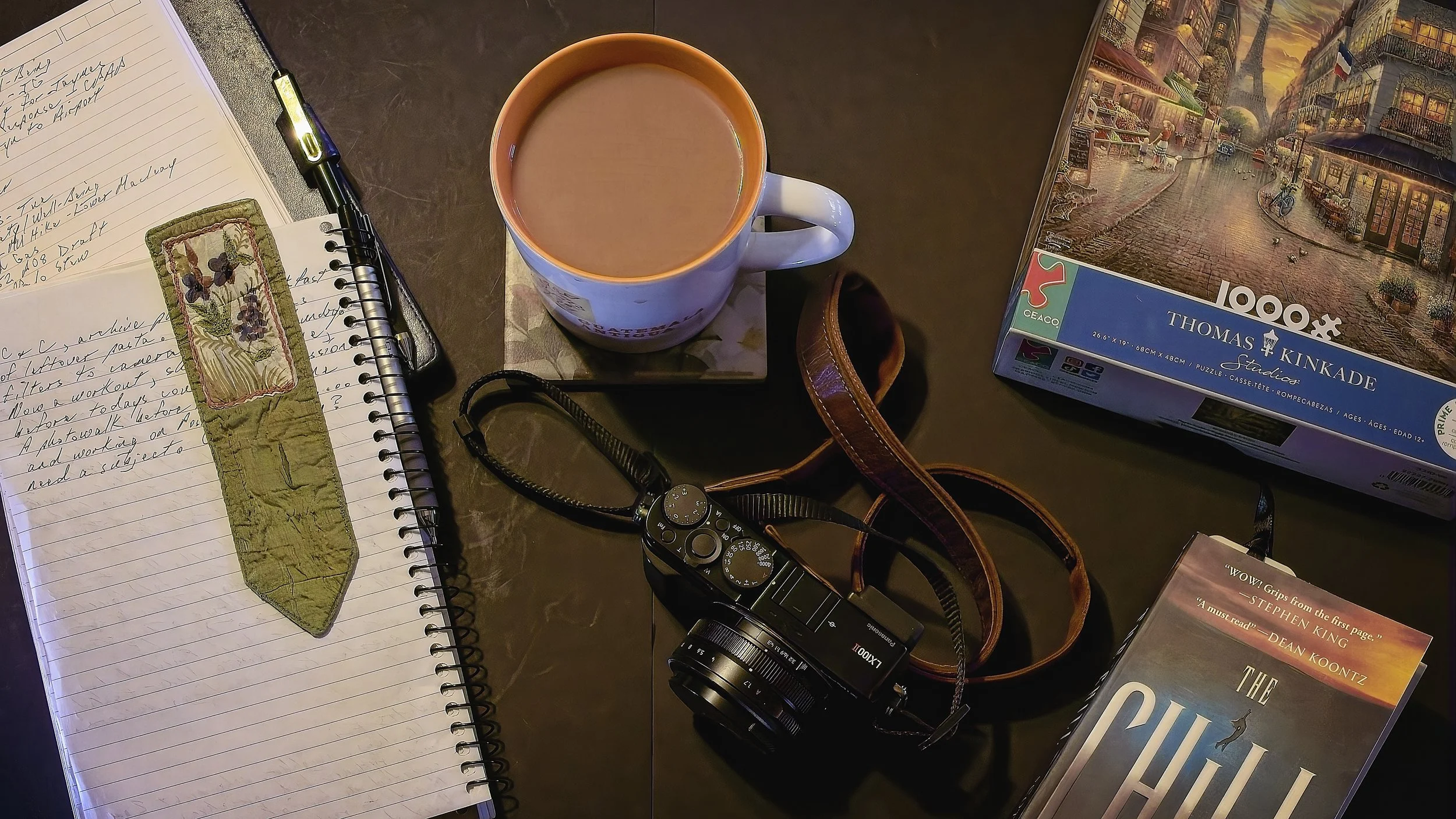
• Daily planning: Each morning, I write out what matters. At the top of the list is always “Sobriety / Well-Being.” Seeing it first centers me. It’s a reminder that everything else rests on this foundation. Checking that box at night feels like acknowledging that I cared for myself that day.
• Journaling: My journal is where I untangle my thoughts. I write about how I slept, what I'm worried about, what I’m proud of, and what’s weighing on me. When I put the words on the page, the noise in my head settles. Morning entries set the tone; evening entries help me close the day cleanly.
• Acts of creation: Photography, cooking, puzzling — these aren’t just hobbies. They’re ways of coming back to myself. When I edit a photo, finish a meal, or lock in the last few puzzle pieces, I feel grounded. These small creations give me a sense of accomplishment and forward motion.
• Morning coffee & creativity: Most days begin with coffee and photo editing. Quiet mornings and creative focus help wake me up from the inside. It’s a gentle way of stepping into the day, not forcing it.
• Exercise: Drawing from my personal-training background, I build simple routines with basic equipment. Push, pull, squat, move. Even twenty or thirty minutes changes how I feel. It reminds me that I have a body worth taking care of — and that movement softens the edges of anxiety.
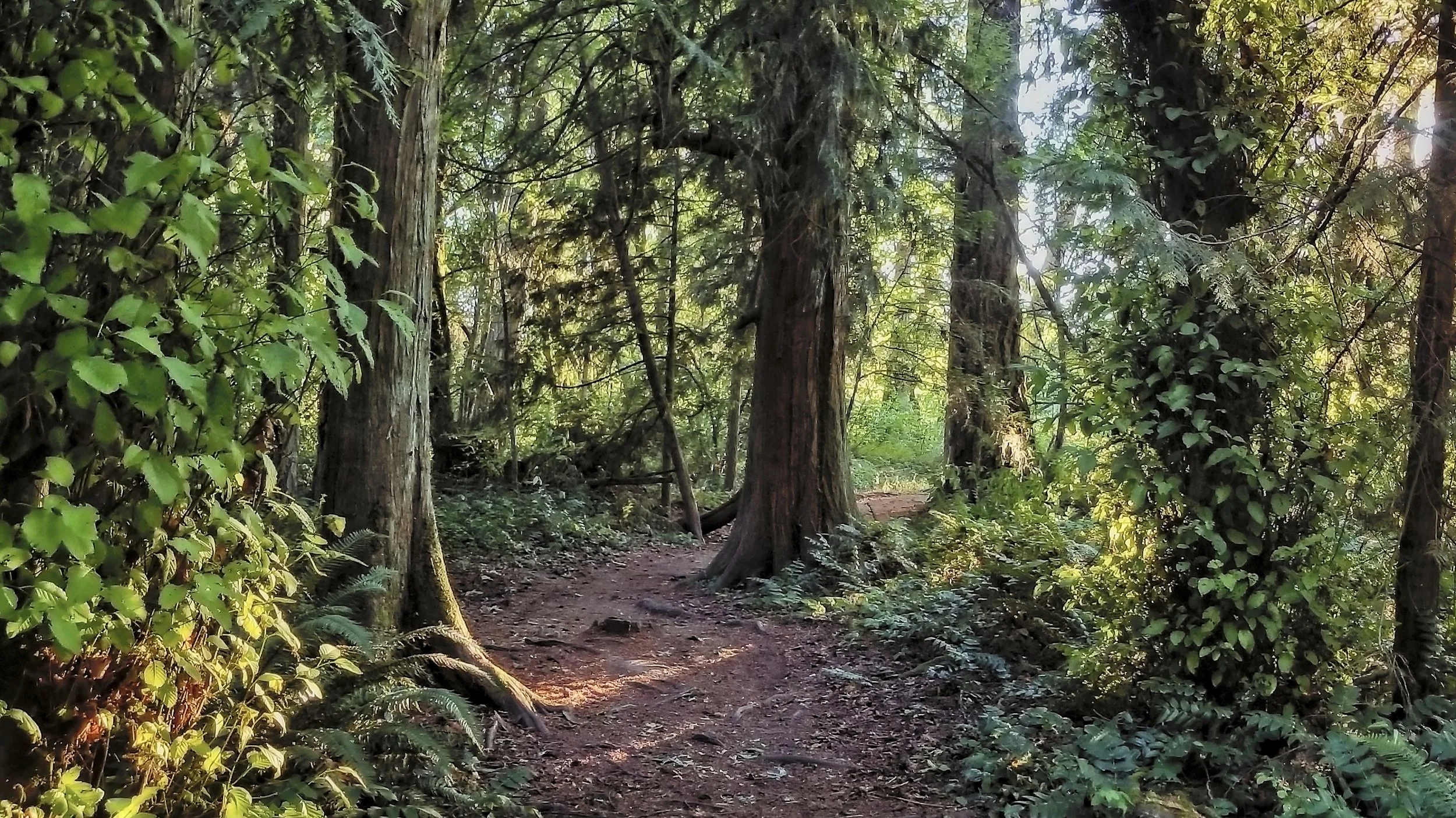
• Time in nature: Trails, forests, ocean air — being outdoors resets me. Whether it’s a long hike or a slow walk beneath the trees, nature gives me space to breathe and feel small in a good way. It feels spiritual in a way that’s hard to explain.
• Reading & edutainment: Books and thoughtful content have replaced the doom-scroll. Fiction lets me step out of my world for a moment; nonfiction feeds my curiosity. Podcasts and lectures keep me learning without overwhelming me. These choices help me wind down without losing myself.
I know from experience what happens when these habits start slipping. I become unsteady, anxious, disconnected — more vulnerable to old patterns. These aren’t boxes to check; they’re supports I lean on. Life will interrupt them now and then, and that’s okay. The power is in choosing them again when I can.